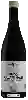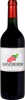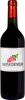
Winery 4 MonosUvas de la Sierra
 Red wine



In the mouth this red wine is a with a nice balance between acidity and tannins.
This wine generally goes well with poultry, beef or veal.
Taste structure of the Uvas de la Sierra from the Winery 4 Monos
Light | Bold | |
Smooth | Tannic | |
Dry | Sweet | |
Soft | Acidic |
In the mouth the Uvas de la Sierra of Winery 4 Monos in the region of Vinos de Pago is a with a nice balance between acidity and tannins.
Food and wine pairings with Uvas de la Sierra
Pairings that work perfectly with Uvas de la Sierra



Original food and wine pairings with Uvas de la Sierra

The Uvas de la Sierra of Winery 4 Monos matches generally quite well with dishes of beef, veal or poultry such as recipes of steak tartare, traditional veal stew or chicken in sauce.
Details and technical informations about Winery 4 Monos's Uvas de la Sierra.
Discover the grape variety: Dattier de Beyrouth
Of natural origin, it was initially multiplied in the region of Cavaillon in Vaucluse. It is also present in many countries where the climate allows the grapes to ripen well. It is registered in the Official Catalogue of table grape varieties, list A1. Finally, the Beirut Date Tree has long been used as a progenitor for new varieties of table grapes, with Danuta being a good example.
Last vintages of this wine
The best vintages of Uvas de la Sierra from Winery 4 Monos are 2022, 0
Informations about the Winery 4 Monos
The Winery 4 Monos is one of of the world's greatest estates. It offers 17 wines for sale in the of Vinos de Pago to come and discover on site or to buy online.

The wine region of Vinos de Pago
Vinos de Pago, often abbreviated to VP, is a relatively New category of wine classification in Spain. It was introduced in 2003, to cover individual wineries whose wines fell outside the existing DO system (geographically or stylistically) but were nevertheless of consistently high quality. As of 2017, there were more than a dozen VPs, all of which are notable exceptions in regions not generally associated with high quality wines. More than half are in Castilla-La Mancha, and the rest in Navarra and Utiel-Requena.
The word of the wine: Retrieved from
Wine that has lost its aromatic potential after prolonged aeration.