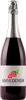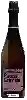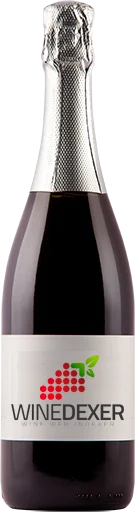
Winery Formigine PedemontanaFor.Mo.Sa Rosé
 Sparkling wine
This wine generally goes well with pork, poultry or rich fish (salmon, tuna etc).

Food and wine pairings with For.Mo.Sa Rosé
Pairings that work perfectly with For.Mo.Sa Rosé



Original food and wine pairings with For.Mo.Sa Rosé


The For.Mo.Sa Rosé of Winery Formigine Pedemontana matches generally quite well with dishes of pork, rich fish (salmon, tuna etc) or mature and hard cheese such as recipes of ham croquette with purée, leek and fresh salmon tart or onion and comté pie.
Details and technical informations about Winery Formigine Pedemontana's For.Mo.Sa Rosé.
Discover the grape variety: Tinta Madeira
Light, fruity reds with a clear ruby robe, silky tannins and an airy palate, with signature aromas of red fruits (cherry, raspberry), soft spices and Atlantic island notes. A rare, airy profile. Preserved for its heritage value, it is part of Madeira's native grapes studied for their genetic interest and contributes to confidential artisanal island cuvées. Native Portuguese black grape from Madeira, identical to Tinta da Madeira, very rare.
Informations about the Winery Formigine Pedemontana
The Winery Formigine Pedemontana is one of of the world's great estates. It offers 28 wines for sale in the of Modena to come and discover on site or to buy online.

The wine region of Modena
Historic cradle of Lambrusco in Emilia-Romagna, alluvial Po plain. Three signature Lambruscos in fresh, fruity sparkling reds. Lambrusco di Sorbara: fine and pale pink (strawberry, raspberry, flowers). Lambrusco Grasparossa di Castelvetro: full-bodied with deep ruby robe (black mulberry, cherry, violet, spices), fleshy tannins — partner to charcuterie.
The wine region of Emilia-Romagna
Kingdom of Lambrusco: fresh, fruity sparkling reds (blackberry, cherry, violet), from gourmet dry to convivial off-dry, perfect with local charcuterie. World's best-selling sparkling wine on the Emilia side (Sorbara, Grasparossa, Salamino). East, Romagna: supple fruity Sangiovese, Albana (Italy's 1st white DOCG, 1987) ample and almondy. Also red Gutturnio and white Pignoletto.
The word of the wine: Defect
Characteristic of a wine that is either aromatically deviant or unbalanced on the palate due to an excess or a lack of one or more flavors.