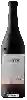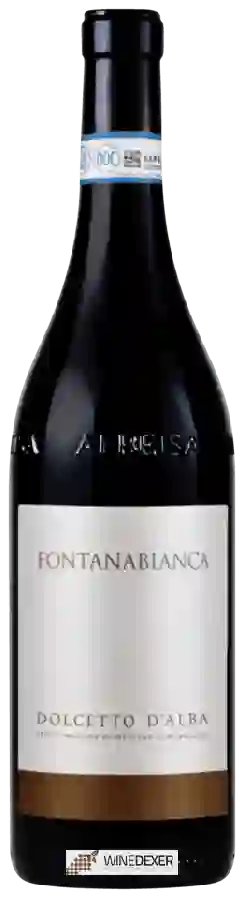
Winery FontanabiancaDolcetto d'Alba
 Red wine



In the mouth this red wine is a powerful.
This wine generally goes well with beef, game (deer, venison) or lamb.

Taste structure of the Dolcetto d'Alba from the Winery Fontanabianca
Light | Bold | |
Smooth | Tannic | |
Dry | Sweet | |
Soft | Acidic |
In the mouth the Dolcetto d'Alba of Winery Fontanabianca in the region of Piedmont is a powerful.
Food and wine pairings with Dolcetto d'Alba
Pairings that work perfectly with Dolcetto d'Alba



Original food and wine pairings with Dolcetto d'Alba

The Dolcetto d'Alba of Winery Fontanabianca matches generally quite well with dishes of beef, lamb or pasta such as recipes of beef with onions chinese style, lamb colombo or makroud.
Details and technical informations about Winery Fontanabianca's Dolcetto d'Alba.
Discover the grape variety: Dolcetto nero
Supple, fruity reds with an intense violet-ruby hue, rounded tannins and a smooth palate, with flavours of blackberry, plum, black cherry, blueberry, bitter almond and floral notes (violet). Moderate acidity, easy-drinking wines ideal young with cured meats and Piedmontese pasta. Star of Dogliani DOCG, Dolcetto d'Alba DOC, Dolcetto di Diano d'Alba DOCG and Dolcetto di Ovada DOCG. Native Piedmontese variety; its name evokes the sweetness of ripe grapes ("little sweet one").
Last vintages of this wine
The best vintages of Dolcetto d'Alba from Winery Fontanabianca are 2019, 0
Informations about the Winery Fontanabianca
The Winery Fontanabianca is one of of the world's great estates. It offers 15 wines for sale in the of Dolcetto d'Alba to come and discover on site or to buy online.

The wine region of Dolcetto d'Alba
Piedmontese DOC of the Langhe south of Alba, the everyday wine of Barolo and Barbaresco growers. Signature Dolcetto ("little sweet one"): purplish, fruity reds with signature notes of black cherry, blackberry, fresh plum, violet and bitter almond on the finish, present tannins but little acidity, a round and moreish palate — to drink young (1-3 years). A perfect match for cured meats, ragù pasta and Piedmontese cheeses. ~1,900 ha across 33+ communes.
The wine region of Piedmont
Kingdom of Nebbiolo: Barolo and Barbaresco DOCG, long-ageing reds with firm tannins and lively acidity, complex aromas of withered rose, sour cherry, tar, truffle and undergrowth. More accessible, tangy Barbera on red fruit, supple, crisp Dolcetto. Sweet, floral sparkling Moscato d'Asti, mineral, lemony Gavi (Cortese) white, round, almondy Arneis from Roero. 50,000 ha across the Langhe, Roero and Monferrato, UNESCO.
The word of the wine: Thermoregulation
Control of the vinification temperatures (by circulating hot or cold water on the walls of the vats, for example). This is a major step forward, which in particular helps to preserve the freshness of the aromas threatened by excessive temperature rises during fermentation.