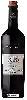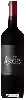
Winery La Fleur AmourRéserve Shiraz
 Red wine


In the mouth this red wine is a powerful with a nice balance between acidity and tannins.
This wine generally goes well with beef, veal or pasta.
Taste structure of the Réserve Shiraz from the Winery La Fleur Amour
Light | Bold | |
Smooth | Tannic | |
Dry | Sweet | |
Soft | Acidic |
In the mouth the Réserve Shiraz of Winery La Fleur Amour in the region of Pays d'Oc is a powerful with a nice balance between acidity and tannins.
Food and wine pairings with Réserve Shiraz
Pairings that work perfectly with Réserve Shiraz



Original food and wine pairings with Réserve Shiraz
The Réserve Shiraz of Winery La Fleur Amour matches generally quite well with dishes of beef, pasta or veal such as recipes of beef with cider, fried rice noodles with chicken or filet mignon with prunes and white wine.
Details and technical informations about Winery La Fleur Amour's Réserve Shiraz.
Discover the grape variety: Golden muscat
Interspecific cross between Hamburg Muscat and Diamond (concord x iona) obtained in 1927 by R.D. Anthony at the Cornell University experimental station in Geneva (USA).
Informations about the Winery La Fleur Amour
The Winery La Fleur Amour is one of of the world's greatest estates. It offers 7 wines for sale in the of Pays d'Oc to come and discover on site or to buy online.

The wine region of Pays d'Oc
Pays d'Oc is the PGI for red, white and rosé wines that are produced over a wide area of the southern coast of France. The PGI catchment area corresponds roughly to the Languedoc-roussillon">Languedoc-Roussillon wine region, one of the largest wine regions in France. The area covers all wines that are not produced under the strict laws that govern AOC-level appellations in the regions: among them, Corbières, Minervois and the Languedoc appellation itself. The Pays d'Oc PGI is arguably the most important in France, producing the majority of the country's PGI wines.
The word of the wine: Phylloxera
Aphid that came from America and ravaged European vineyards at the end of the 19th century. It lives on the roots of the vine, from which it pumps the sap. The only vines capable of resisting it had to be imported from the United States, and then grafted onto their root system the wood of traditional French grape varieties. Today, grafted vines are always planted.