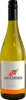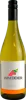
Winery FitoMark Tokaji Borház - Kiss IstvanTokaji Muskotály
 White wine



This wine generally goes well with spicy food and sweet desserts.
Food and wine pairings with Tokaji Muskotály
Pairings that work perfectly with Tokaji Muskotály


Original food and wine pairings with Tokaji Muskotály
The Tokaji Muskotály of Winery FitoMark Tokaji Borház - Kiss Istvan matches generally quite well with dishes of spicy food or sweet desserts such as recipes of genuine chicken tagine olive and lemon confit tagine with argan oil or quick chocolate fudge cake.
Details and technical informations about Winery FitoMark Tokaji Borház - Kiss Istvan's Tokaji Muskotály.
Discover the grape variety: Loureiro
Most certainly Portuguese. Loureiro is part of the grape varieties of many Spanish and Portuguese appellations, including the famous Vinho Verde. It would be a close relative of the albarino and the sousão.
Last vintages of this wine
The best vintages of Tokaji Muskotály from Winery FitoMark Tokaji Borház - Kiss Istvan are 0
Informations about the Winery FitoMark Tokaji Borház - Kiss Istvan
The Winery FitoMark Tokaji Borház - Kiss Istvan is one of of the world's greatest estates. It offers 19 wines for sale in the of Tokaj to come and discover on site or to buy online.

The wine region of Tokaj
Tokaj (formerly Tokaj-Hegyalja) has Long been Hungary's most famous and respected wine region, thanks mostly to its nectar-like, botrytized Tokaji dessert wines. The region and its wine are held in such esteem in Hungary that the national anthem thanks God for it: Tokaj szolovesszein nektárt csepegtettél - into the vineyards of Tokaj you dripped Sweet nectar The region is located in the northeast of Hungary, near the border with Slovakia. Comprising roughly 30 small towns and villages, it measures 40 kilometers (25 miles) from southwest to northeast, making it roughly the same Size as Burgundy's Côte d'Or. At its very southern edge is the town of Tokaj from which the region and its wines ultimate take their name.
The word of the wine: Size (champagne)
Juices that flow from the press after the cuvée, at the second pressing. Less fine, often more vegetal, it is mainly used to make the first price champagnes.