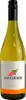
Winery Firma GemoedVamp - Wit
 White wine



In the mouth this white wine is a powerful.
This wine generally goes well with pork, poultry or rich fish (salmon, tuna etc).

Taste structure of the Vamp - Wit from the Winery Firma Gemoed
Light | Bold | |
Dry | Sweet | |
Soft | Acidic |
In the mouth the Vamp - Wit of Winery Firma Gemoed in the region of Rhone Valley is a powerful.
Food and wine pairings with Vamp - Wit
Pairings that work perfectly with Vamp - Wit



Original food and wine pairings with Vamp - Wit


The Vamp - Wit of Winery Firma Gemoed matches generally quite well with dishes of pork, rich fish (salmon, tuna etc) or mature and hard cheese such as recipes of paupiettes with tomato sauce, salmon steaks with lemon and shallot sauce or titgazelle's herring and leek pie.
Details and technical informations about Winery Firma Gemoed's Vamp - Wit.
Discover the grape variety: Reine des vignes
Table grape with medium clusters and golden berries with thin skin and aromatic muscat flesh, featuring a characteristic aromatic sweet flavour (rose, fresh grape, muscat). Very early-ripening. Grown mainly in central Europe (Hungary, Italy) and France for fresh consumption, a signature aromatic summer table grape on market stalls. French aromatic white table grape variety, obtained by early-ripening and muscat crossing for fresh consumption.
Last vintages of this wine
The best vintages of Vamp - Wit from Winery Firma Gemoed are 2018
Informations about the Winery Firma Gemoed
The Winery Firma Gemoed is one of of the world's greatest estates. It offers 3 wines for sale in the of Rhone Valley to come and discover on site or to buy online.

The wine region of Rhone Valley
France's 2nd-largest AOC vineyard, two complementary worlds. Northern: pure Syrah in signature reds (Côte-Rôtie, Hermitage, Cornas), deep and peppery with blackberry, violet, black olive and smoked bacon notes, exceptional ageing. Opulent Viognier whites (Condrieu, apricot, flowers) and ample Marsanne-Roussanne. Southern: sun-soaked Grenache blends at Châteauneuf, Gigondas, Vacqueyras (candied fruit, garrigue).
The word of the wine: Leaflet
Small barrel with a capacity of 112 to 136 litres depending on the region.