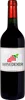
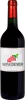
Winery Finca EngueraCuvée Taka
 Red wine


In the mouth this red wine is a powerful with a nice balance between acidity and tannins.
This wine generally goes well with beef, game (deer, venison) or lamb.

Taste structure of the Cuvée Taka from the Winery Finca Enguera
Light | Bold | |
Smooth | Tannic | |
Dry | Sweet | |
Soft | Acidic |
In the mouth the Cuvée Taka of Winery Finca Enguera in the region of Valence is a powerful with a nice balance between acidity and tannins.
Food and wine pairings with Cuvée Taka
Pairings that work perfectly with Cuvée Taka



Original food and wine pairings with Cuvée Taka

The Cuvée Taka of Winery Finca Enguera matches generally quite well with dishes of beef, pasta or lamb such as recipes of thai beef skewers, the real recipe for carbonara or express couscous in a pressure cooker.
Details and technical informations about Winery Finca Enguera's Cuvée Taka.
Discover the grape variety: Bargine
Simple, fresh dry whites with a pale golden robe, a supple palate with moderate acidity, and undemonstrative aromas of citrus and white flowers. Rustic, discreet profile. Preserved in a few ampelographic collections, Bargine is an ancient heritage variety with virtually no commercial presence, studied mainly for its genetic interest.
Last vintages of this wine
The best vintages of Cuvée Taka from Winery Finca Enguera are 2012, 0
Informations about the Winery Finca Enguera
The Winery Finca Enguera is one of of the world's greatest estates. It offers 8 wines for sale in the of Valence to come and discover on site or to buy online.

The wine region of Valence
Sunny Mediterranean Levant, sun-drenched accessible wines. Monastrell (Mourvèdre) star red in Alicante: fleshy and deep with black fruits, garrigue, leather and spice, firm tannins. Round, fruity Bobal from Utiel-Requena, supple Garnacha, juicy Tempranillo. Fresh whites: light Merseguera, aromatic Moscatel (fresh grape, flowers).
The word of the wine: Champagne rosé
Often obtained by adding red wines (from Champagne), it is even the only vineyard where this practice is allowed. Some producers prefer the practice used in other regions, i.e. a short maceration to extract sufficient colouring matter. This results in winey rosés for meals. Elegant aperitif rosé is more often made from red wine coloured Chardonnay. Rosés can be vintage or non vintage.