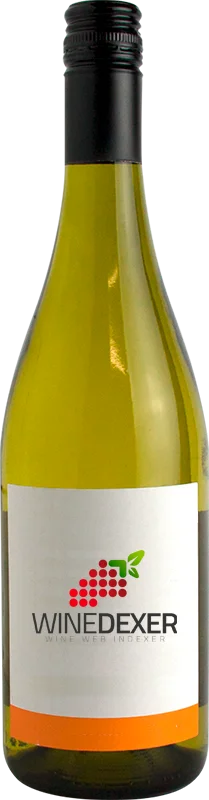
Winery Filipe PalhoçaVerdelho
 White wine
In the mouth this white wine is a .
This wine generally goes well with pork, lean fish or shellfish.

Taste structure of the Verdelho from the Winery Filipe Palhoça
Light | Bold | |
Dry | Sweet | |
Soft | Acidic |
In the mouth the Verdelho of Winery Filipe Palhoça in the region of Península de Setúbal is a .
Food and wine pairings with Verdelho
Pairings that work perfectly with Verdelho



Original food and wine pairings with Verdelho

The Verdelho of Winery Filipe Palhoça matches generally quite well with dishes of pasta, pork or shellfish such as recipes of homemade italian lasagna, beef tagine with vegetables or scallops.
Details and technical informations about Winery Filipe Palhoça's Verdelho.
Discover the grape variety: Verdelho
Structured, taut whites with precise acidity and a slender mouth, featuring aromas of citrus (lemon, orange peel), dried fruits, toasted almond, Mediterranean herbs and pronounced saline notes. A historic pillar of medium-dry Madeira (one of the island's four classic noble grapes) where it develops complex oxidative notes. Also as structured dry whites in Douro DOC and Australia (Hunter Valley). Native Portuguese grape, unrelated to Spanish Verdejo.
Informations about the Winery Filipe Palhoça
The Winery Filipe Palhoça is one of of the world's great estates. It offers 21 wines for sale in the of Península de Setúbal to come and discover on site or to buy online.

The wine region of Península de Setúbal
Portuguese peninsula south of Lisbon between the Tagus and Sado estuaries. World-renowned speciality: Moscatel de Setúbal, a golden fortified sweet wine with signature notes of candied orange, dried apricot, honey, fig, currant and sweet spices, long ageing — the rare Roxo version has more floral notes. Also fruity, supple Castelão reds (64%) (blackberry, plum), perfumed Touriga Nacional. Oceanic climate.
The word of the wine: Serious
A Bordeaux term for small pebbles from the Pyrenees, eroded, rounded and transported by the Garonne to Aquitaine. They are mainly found on the left bank in the area.... known as the Graves, and further downstream in the Médoc. By extension, gravel is found in other regions, brought by other rivers or even glaciers.