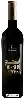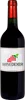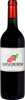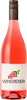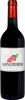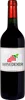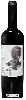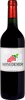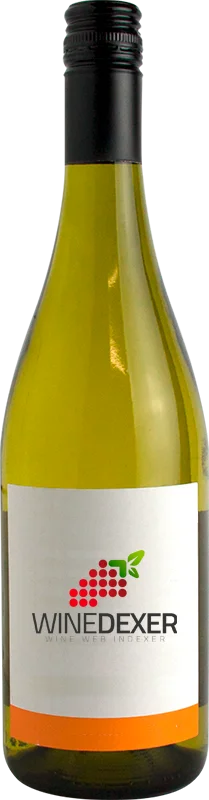
Winery FidencioLa Mancha Blanco
 White wine



This wine generally goes well with
Details and technical informations about Winery Fidencio's La Mancha Blanco.
Discover the grape variety: Tannat
Tannat is a red grape variety from Béarn which belongs to the cotoïdes family. Present in several vineyards of France, it occupies nearly 3,000 ha. Its leaves are reddish with tan patches. Its bunches are either of normal size or larger. Its berries have a thin skin and are rounded. Its foliage has a swarthy appearance. This variety must be pruned long because it is vigorous. It likes sandy and gravelly soils. Tannat is often exposed to leafhoppers and mites. It is also somewhat susceptible to grey rot. It has 11 approved clones, including 474, 717 and 794. Once mature, this variety produces acidic, fruity, tannic, acidic and full-bodied wines. Various aromas emerge, notably tobacco, cinnamon and exotic wood. Tannat is rarely used alone. It is combined with iron-servadou to obtain a fruitier taste or with cabernet sauvignon to be more rounded.
Last vintages of this wine
The best vintages of La Mancha Blanco from Winery Fidencio are 2020, 2017, 2019, 2018 and 2011.
Informations about the Winery Fidencio
The Winery Fidencio is one of of the world's greatest estates. It offers 6 wines for sale in the of La Mancha to come and discover on site or to buy online.

The wine region of La Mancha
The wine region of La Mancha is located in the region of Castille of Spain. Wineries and vineyards like the Domaine Cinco Estrellas or the Domaine Munoz produce mainly wines red, white and pink. The most planted grape varieties in the region of La Mancha are Tempranillo, Cabernet-Sauvignon and Merlot, they are then used in wines in blends or as a single variety. On the nose of La Mancha often reveals types of flavors of cherry, mint or jasmine and sometimes also flavors of sweet tobacco, graphite or grass.
The wine region of Castille
Castilla-La Mancha is a large region located South and east of the Spanish capital, Madrid. Inexpensive table wines are produced from a variety of Grapes. Higher quality wines are increasingly available, but the region is traditionally known as a source of low quality bulk wine. More than half of Spain's grapes are grown here.
The word of the wine: Liquid
Sweet wine containing more than 50 grams of residual sugar per liter. Sweet wines are made from grapes often affected by botrytis cinerea and concentrated either by passerillage (drying of the grapes on the vine stock), or after the harvest (straw wines), or by the cold (ice wines).