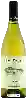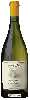
Winery Fattoria di MonticelloGiacchio Bianco
 White wine


In the mouth this white wine is a powerful with a nice freshness.
This wine generally goes well with vegetarian, appetizers and snacks or lean fish.
Taste structure of the Giacchio Bianco from the Winery Fattoria di Monticello
Light | Bold | |
Dry | Sweet | |
Soft | Acidic |
In the mouth the Giacchio Bianco of Winery Fattoria di Monticello in the region of Umbria is a powerful with a nice freshness.
Food and wine pairings with Giacchio Bianco
Pairings that work perfectly with Giacchio Bianco



Original food and wine pairings with Giacchio Bianco


The Giacchio Bianco of Winery Fattoria di Monticello matches generally quite well with dishes of pasta, vegetarian or appetizers and snacks such as recipes of salmon and spinach lasagna, nanie's diced ham quiche or pan con tomate.
Details and technical informations about Winery Fattoria di Monticello's Giacchio Bianco.
Discover the grape variety: Fernao Pires
In Portugal, it is one of the most planted white grape varieties, and we have found it to be very similar to the torrontés grown in Spain (Galicia). It can be found in Australia and South Africa, but is almost unknown in France.
Last vintages of this wine
The best vintages of Giacchio Bianco from Winery Fattoria di Monticello are 0
Informations about the Winery Fattoria di Monticello
The Winery Fattoria di Monticello is one of of the world's greatest estates. It offers 7 wines for sale in the of Umbria to come and discover on site or to buy online.

The wine region of Umbria
Umbria, in CentralItaly, is a region of lush hills, hilltop villages and iconic historic towns. The latter are exemplified by Orvieto and Assisi. At the very heart of the Italian peninsula, it is surrounded by Tuscany, Marche and Lazio. It is in fact the only Italian region without a coastline or international border.
The word of the wine: Thermoregulation
Control of the vinification temperatures (by circulating hot or cold water on the walls of the vats, for example). This is a major step forward, which in particular helps to preserve the freshness of the aromas threatened by excessive temperature rises during fermentation.