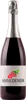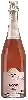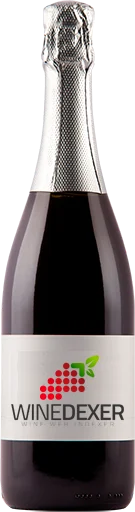
Winery Fasoli GinoCreman Metodo Classico Brut Rosè
 Sparkling wine



This wine generally goes well with beef, mature and hard cheese or cured meat.
Food and wine pairings with Creman Metodo Classico Brut Rosè
Pairings that work perfectly with Creman Metodo Classico Brut Rosè



Original food and wine pairings with Creman Metodo Classico Brut Rosè

The Creman Metodo Classico Brut Rosè of Winery Fasoli Gino matches generally quite well with dishes of beef, spicy food or mature and hard cheese such as recipes of fillet of beef in a foie gras and truffle crust, braised chicken and plantains or baked bread (tomato, mushroom, ham, cheese).
Details and technical informations about Winery Fasoli Gino's Creman Metodo Classico Brut Rosè.
Discover the grape variety: Corvinone
It has been cultivated for a very long time in northern Italy, but in France it is hardly known. It should not be confused with corvina, another Italian grape variety that is very present in the same region, both of which are most often associated with rondinella and molinara.
Last vintages of this wine
The best vintages of Creman Metodo Classico Brut Rosè from Winery Fasoli Gino are 0
Informations about the Winery Fasoli Gino
The Winery Fasoli Gino is one of of the world's great estates. It offers 70 wines for sale in the of Veneto to come and discover on site or to buy online.

The wine region of Veneto
Veneto is an important and growing wine region in northeastern Italy. Veneto is administratively Part of the Triveneto area, aLong with its smaller neighbors, Trentino-Alto Adige and Friuli-Venezia Giulia. In terms of geography, culture and wine styles, it represents a transition from the Alpine and Germanic-Slavic end of Italy to the warmer, drier, more Roman lands to the South. Veneto is slightly smaller than the other major Italian wine regions - Piedmont, Tuscany, Lombardy, Puglia and Sicily - but it produces more wine than any of them.
The word of the wine: N-M
Negociant-manipulant. Company that buys grapes, sometimes in addition to its own vineyard, elaborates and markets its champagne. Most of the big brands like Moët or Taittinger are N-M.