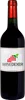
Winery Famille FabreCôtes De Provence
 Pink wine



In the mouth this pink wine is a with a nice freshness.
This wine generally goes well with pork, vegetarian or poultry.
Taste structure of the Côtes De Provence from the Winery Famille Fabre
Light | Bold | |
Dry | Sweet | |
Soft | Acidic |
In the mouth the Côtes De Provence of Winery Famille Fabre in the region of Provence is a with a nice freshness.
Food and wine pairings with Côtes De Provence
Pairings that work perfectly with Côtes De Provence



Original food and wine pairings with Côtes De Provence

The Côtes De Provence of Winery Famille Fabre matches generally quite well with dishes of pork, shellfish or vegetarian such as recipes of sausages with kale, calamari with chorizo or broccoli and blue cheese quiche without pastry.
Details and technical informations about Winery Famille Fabre's Côtes De Provence.
Discover the grape variety: Garanoir
Intraspecific cross between Gamay and Reichensteiner obtained in 1970 by André Jacquinet at the Agroscope Changins-Wädenswil research station (Switzerland). From this same crossbreed, Gamaret and Mara were also born.
Last vintages of this wine
The best vintages of Côtes De Provence from Winery Famille Fabre are 2019
Informations about the Winery Famille Fabre
The Winery Famille Fabre is one of of the world's greatest estates. It offers 13 wines for sale in the of Provence to come and discover on site or to buy online.

The wine region of Provence
Provence is a wine region in the far southeast of France, best known for the quality (and quantity) of its rosé wines and for its Warm, mild Climate. The modernization that is taking place in many of the traditional wine regions of southern France has not yet taken place to the same extent in Provence, but there are Clear signs of change. The region's Grape varieties, in particular, have come under scrutiny in recent decades. Traditional varieties such as Carignan, Barbaroux (Barbarossa from Sardinia) and Calitor are being replaced by more commercially viable varieties such as Grenache, Syrah and even Cabernet Sauvignon.
The word of the wine: Chambered
Said of a wine served at a temperature around 18 °.