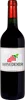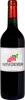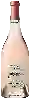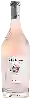
Domaine de FabreguesLa Chapelle Rosé
 Pink wine
In the mouth this pink wine is a with a nice freshness.
This wine generally goes well with vegetarian, appetizers and snacks or lean fish.
Taste structure of the La Chapelle Rosé from the Domaine de Fabregues
Light | Bold | |
Dry | Sweet | |
Soft | Acidic |
In the mouth the La Chapelle Rosé of Domaine de Fabregues in the region of Languedoc-Roussillon is a with a nice freshness.
Food and wine pairings with La Chapelle Rosé
Pairings that work perfectly with La Chapelle Rosé



Original food and wine pairings with La Chapelle Rosé


The La Chapelle Rosé of Domaine de Fabregues matches generally quite well with dishes of pasta, vegetarian or appetizers and snacks such as recipes of pasta gratin, quiche lorraine or seaweed tartar.
Details and technical informations about Domaine de Fabregues's La Chapelle Rosé.
Discover the grape variety: Ravat noir
Obtained by Jean-François Ravat, it is an interspecific cross between 8365 Seibel and pinot noir. In France, this direct-producing hybrid has been little multiplied.
Informations about the Domaine de Fabregues
The Domaine de Fabregues is one of of the world's great estates. It offers 29 wines for sale in the of Languedoc to come and discover on site or to buy online.

The wine region of Languedoc
Languedoc (formerly Coteaux du Languedoc) is a key appellation used in the Languedoc-Roussillon wine region of southern France. It covers Dry table wines of all three colors (red, white and rosé) from the entire region, but leaves Sweet and Sparkling wines to other more specialized appellations. About 75% of all Languedoc wines are red, with the remaining 25% split roughly down the middle between whites and rosés. The appellation covers most of the Languedoc region and almost a third of all the vineyards in France.
The wine region of Languedoc-Roussillon
Languedoc (formerly Coteaux du Languedoc) is a key appellation used in the Languedoc-Roussillon wine region of southern France. It covers Dry table wines of all three colors (red, white and rosé) from the entire region, but leaves Sweet and Sparkling wines to other more specialized appellations. About 75% of all Languedoc wines are red, with the remaining 25% split roughly down the middle between whites and rosés. The appellation covers most of the Languedoc region and almost a third of all the vineyards in France.
The word of the wine: Biodynamics
Biodynamic farming method initiated by Rudolf Steiner which forbids all chemical treatments based on synthetic products. Biodynamics is based on the interaction between the movements of the planets and the development of plants and uses preparations based on organic and mineral materials.