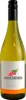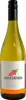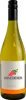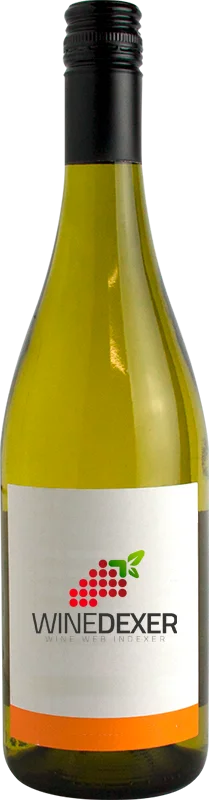
Winery FabigSoul Sauvignon Blanc Růženy
 White wine



This wine generally goes well with vegetarian, rich fish (salmon, tuna etc) or shellfish.

Food and wine pairings with Soul Sauvignon Blanc Růženy
Pairings that work perfectly with Soul Sauvignon Blanc Růženy



Original food and wine pairings with Soul Sauvignon Blanc Růženy
The Soul Sauvignon Blanc Růženy of Winery Fabig matches generally quite well with dishes of rich fish (salmon, tuna etc), shellfish or vegetarian such as recipes of raw salmon marinade with vinegars, chicken tagine with apricots and almonds or leek, goat cheese and bacon quiche.
Details and technical informations about Winery Fabig's Soul Sauvignon Blanc Růženy.
Discover the grape variety: Mouyssaguès
Light, simple reds with a clear ruby colour, soft tannins and a supple palate, showing undemonstrative aromas of red fruits (cherry, raspberry), gentle spices and herbal notes. Rustic, airy profile to drink young. Preserved in INRAE variety collections, it bears witness to the pre-phylloxera ampelographic diversity of the South-West and is among the heritage varieties under study. Native black variety from South-West France, today almost extinct.
Last vintages of this wine
The best vintages of Soul Sauvignon Blanc Růženy from Winery Fabig are 2016, 0
Informations about the Winery Fabig
The Winery Fabig is one of of the world's greatest estates. It offers 13 wines for sale in the of Morava to come and discover on site or to buy online.

The wine region of Morava
Predominantly white region, lively and mineral: crisp, peppery Grüner Veltliner, taut Riesling with citrus, supple, floral Müller-Thurgau, aromatic Pálava, the local signature (muscat, white flowers). More discreet reds: spicy Frankovka (Blaufränkisch) with black fruits, fine, silky Saint Laurent. Temperate continental climate, 4 sub-regions: Mikulov, Velké Pavlovice, Znojmo, Slovácko. ~96% of the Czech vineyard, 73 grapes grown.
The word of the wine: Vent (taste of)
A defect that characterizes a wine exposed to the air, and which has lost its aromatic qualities.