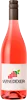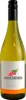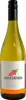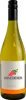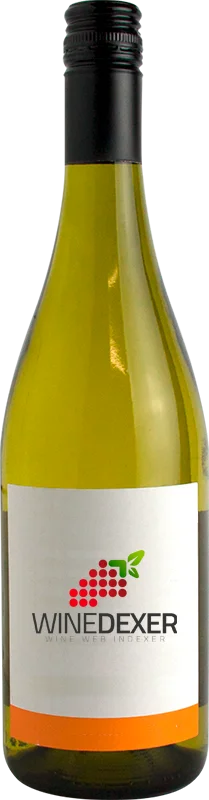
Winery FabigBig Sauvignon Blanc
 White wine


This wine generally goes well with vegetarian, rich fish (salmon, tuna etc) or shellfish.

Wine flavors and olphactive analysis






On the nose the Big Sauvignon Blanc of Winery Fabig in the region of Morava often reveals types of flavors of non oak, microbio or oak and sometimes also flavors of spices, citrus fruit.
Food and wine pairings with Big Sauvignon Blanc
Pairings that work perfectly with Big Sauvignon Blanc



Original food and wine pairings with Big Sauvignon Blanc
The Big Sauvignon Blanc of Winery Fabig matches generally quite well with dishes of rich fish (salmon, tuna etc), shellfish or vegetarian such as recipes of irish tartiflette, mussels with marinara or leek, goat cheese and bacon quiche.
Details and technical informations about Winery Fabig's Big Sauvignon Blanc.
Discover the grape variety: Soreli
Aromatic, structured whites with a pale golden robe, an ample palate with preserved acidity, and signature aromas of white stone fruits (apple, pear), white flowers and mineral notes reminiscent of Friulano. Productive and disease-resistant. Grown in northern Italy for organic and sustainably managed vineyards. Italian white hybrid obtained in 2006 at the University of Udine, a disease-resistant cross involving Tocai Friulano.
Last vintages of this wine
The best vintages of Big Sauvignon Blanc from Winery Fabig are 2018, 0, 2017
Informations about the Winery Fabig
The Winery Fabig is one of of the world's greatest estates. It offers 13 wines for sale in the of Morava to come and discover on site or to buy online.

The wine region of Morava
Predominantly white region, lively and mineral: crisp, peppery Grüner Veltliner, taut Riesling with citrus, supple, floral Müller-Thurgau, aromatic Pálava, the local signature (muscat, white flowers). More discreet reds: spicy Frankovka (Blaufränkisch) with black fruits, fine, silky Saint Laurent. Temperate continental climate, 4 sub-regions: Mikulov, Velké Pavlovice, Znojmo, Slovácko. ~96% of the Czech vineyard, 73 grapes grown.
The word of the wine: Tries (harvest by)
Harvesting in several successive passages to harvest at their optimal concentration the grapes affected by noble rot. They allow the production of great sweet wines.