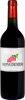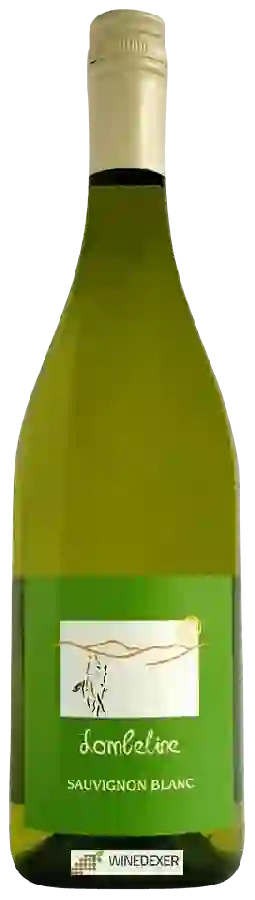
Winery Emile BallandSauvignon Blanc
 White wine



In the mouth this white wine is a .
This wine generally goes well with vegetarian, poultry or lean fish.
Taste structure of the Sauvignon Blanc from the Winery Emile Balland
Light | Bold | |
Dry | Sweet | |
Soft | Acidic |
In the mouth the Sauvignon Blanc of Winery Emile Balland in the region of Languedoc-Roussillon is a .
Wine flavors and olphactive analysis

On the nose the Sauvignon Blanc of Winery Emile Balland in the region of Languedoc-Roussillon often reveals types of flavors of citrus, minerality or lemon and sometimes also flavors of earth, citrus fruit.
Food and wine pairings with Sauvignon Blanc
Pairings that work perfectly with Sauvignon Blanc



Original food and wine pairings with Sauvignon Blanc


The Sauvignon Blanc of Winery Emile Balland matches generally quite well with dishes of pasta, vegetarian or poultry such as recipes of pad thai, quiche without eggs or royal couscous (lamb, chicken, merguez).
Details and technical informations about Winery Emile Balland's Sauvignon Blanc.
Discover the grape variety: Oeillade blanche
It is said to originate from the south of France, most certainly from Provence. Today, it is practically no longer multiplied, although it is registered in the Official Catalogue of vine varieties, list A1. - Synonyms: oeillade blanche, aragnan or araignan blanc, grosse clairette, papadoux, milhaud blanc in the Tarn. Note that many grape varieties have picardan as a synonym. The one described here has nothing in common with cinsaut and it is not the white form of oeillade noire (for all the synonyms of the grape varieties, click here !).
Last vintages of this wine
The best vintages of Sauvignon Blanc from Winery Emile Balland are 2014, 2017, 2016
Informations about the Winery Emile Balland
The Winery Emile Balland is one of of the world's greatest estates. It offers 25 wines for sale in the of Languedoc-Roussillon to come and discover on site or to buy online.

The wine region of Languedoc-Roussillon
Languedoc (formerly Coteaux du Languedoc) is a key appellation used in the Languedoc-Roussillon wine region of southern France. It covers Dry table wines of all three colors (red, white and rosé) from the entire region, but leaves Sweet and Sparkling wines to other more specialized appellations. About 75% of all Languedoc wines are red, with the remaining 25% split roughly down the middle between whites and rosés. The appellation covers most of the Languedoc region and almost a third of all the vineyards in France.
The word of the wine: Cutting
A blend of wines from different origins (not to be confused with the assemblage).