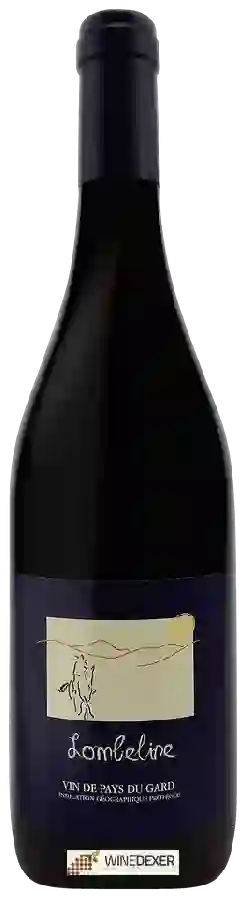
Winery Emile BallandRouge
 Red wine



This wine generally goes well with beef, lamb or mature and hard cheese.

Food and wine pairings with Rouge
Pairings that work perfectly with Rouge



Original food and wine pairings with Rouge

The Rouge of Winery Emile Balland matches generally quite well with dishes of beef, lamb or spicy food such as recipes of navarin of the sea da gigi, lamb delight with tomato and cinnamon or shrimp and zucchini with curry and coconut milk.
Details and technical informations about Winery Emile Balland's Rouge.
Discover the grape variety: Courbu noir
Light and fruity reds with a clear ruby robe, smooth tannins and a supple palate, with simple and delicate aromas of red fruits (cherry, raspberry) and floral notes. A rare airy profile today. Preserved for its heritage value, it survives in a few heritage parcels in Béarn among the old South-West varieties studied. The black variant of Courbu, a French native grape from Béarn and the Basque Country.
Informations about the Winery Emile Balland
The Winery Emile Balland is one of of the world's greatest estates. It offers 25 wines for sale in the of Gard to come and discover on site or to buy online.

The wine region of Gard
Vast Languedoc IGP between Costières and Camargue (Gard): signature Grenache, Syrah, Carignan, Mourvèdre and Cinsault as reds and rosés — fruity and sun-drenched with cherry, strawberry, raspberry, garrigue, spice and a peppery touch (Camargue gris rosés emblematic on sand). Floral whites from Grenache Blanc, Marsanne, Viognier and Vermentino. IGP, ~25,000 ha across 24 communes, sunny Mediterranean climate, cleansing mistral.
The wine region of Pays d'Oc
The single-grape IGP par excellence: modern, accessible, frank and fruity wines, the popular signature of the Midi. Spicy Syrah reds (pepper, blackberry), round Merlot, structured Cabernet, generous Grenache, supple Cinsault. Crisp, tangy rosés. Opulent Chardonnay whites, lively Sauvignon, floral, apricoty Viognier.
The word of the wine: Bordeaux barrel
Barrels of 220 to 225 litres. The toasting of the barrel to bend the staves (curved boards used to make the barrels) can vary according to the coopers and the demand. A gentle and slow toasting has little effect on the aromas. On the other hand, a strong toasting gives aromas of coffee or cocoa which will influence the taste of the wine. A wine barrel has already been aged for a year and has less impact on the wine than a new barrel.