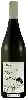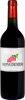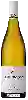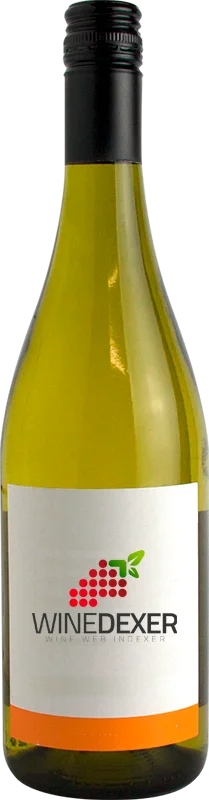
Winery Emile BallandLa Pente Sancerre
 White wine
In the mouth this white wine is a with a nice freshness.
This wine generally goes well with pork, vegetarian or shellfish.
Taste structure of the La Pente Sancerre from the Winery Emile Balland
Light | Bold | |
Dry | Sweet | |
Soft | Acidic |
In the mouth the La Pente Sancerre of Winery Emile Balland in the region of Loire Valley is a with a nice freshness.
Food and wine pairings with La Pente Sancerre
Pairings that work perfectly with La Pente Sancerre



Original food and wine pairings with La Pente Sancerre


The La Pente Sancerre of Winery Emile Balland matches generally quite well with dishes of pork, shellfish or spicy food such as recipes of country-style snow peas, marinated mussels with parsley or monkfish armorican style.
Details and technical informations about Winery Emile Balland's La Pente Sancerre.
Discover the grape variety: Sacy
Sacy blanc is a grape variety that originated in France (Auvergne). It produces a variety of grape specially used for wine making. It is rare to find this grape to eat on our tables. This variety of grape is characterized by small bunches and small grapes. Sacy blanc can be found in several vineyards: South-West, Cognac, Bordeaux, Loire Valley, Burgundy, Provence & Corsica, Rhone Valley, Savoie & Bugey, Beaujolais.
Informations about the Winery Emile Balland
The Winery Emile Balland is one of of the world's greatest estates. It offers 25 wines for sale in the of Sancerre to come and discover on site or to buy online.

The wine region of Sancerre
The wine region of Sancerre is located in the region of Haute Loire of Loire Valley of France. Wineries and vineyards like the Domaine Edmond Vatan or the Domaine Jean-Paul Balland produce mainly wines white, red and pink. The most planted grape varieties in the region of Sancerre are Pinot noir, Chenin blanc and Chardonnay, they are then used in wines in blends or as a single variety. On the nose of Sancerre often reveals types of flavors of pineapple, wood smoke or jasmine and sometimes also flavors of fennel, pink grapefruit or green bell pepper.
The wine region of Loire Valley
The Loire Valley is a key wine region in western France. It follows the course of the Loire River on its Long journey through the heart of France, from the inland hills of the Auvergne to the plains of the French Atlantic coast near Nantes (Muscadet country). Important in terms of quantity and quality, the region produces large quantities (about 4 million h/l each year) of everyday wines, as well as some of France's greatest wines. Diversity is another of the region's major assets; the styles of wine produced here range from the light, tangy Muscadet to the Sweet, honeyed Bonnezeaux, the Sparkling whites of Vouvray and the juicy, Tannic reds of Chinon and Saumur.
The word of the wine: Sommelier
Person working in a restaurant and responsible for the wine service. The head sommelier is responsible for putting together the wine list, managing the sommelier brigade, and ensuring the sale of wines according to the dishes (food and wine pairing).