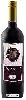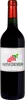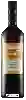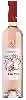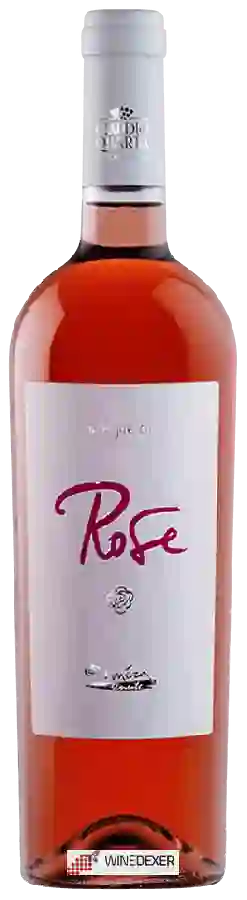
Winery EmeraRosé
 Pink wine



This wine generally goes well with
Wine flavors and olphactive analysis

On the nose the Rosé of Winery Emera in the region of Puglia often reveals types of flavors of microbio, red fruit.
Details and technical informations about Winery Emera's Rosé.
Discover the grape variety: Dureza
This grape variety is said to originate in the north of the Ardèche department, but we find it very similar to Duras from the Gaillac region (Tarn). D.N.A. analyses have shown that Syrah is related to Mondeuse Blanche (mother) and Dureza (father). Italian and Swiss researchers have also suggested that Dureza, which is now endangered, is a brother or sister of the Italian variety Teroldego and that Pinot Noir is a close relative. Dureza is registered in the Official Catalogue of wine grape varieties, list A1. - Synonym: duré or duret (for all the synonyms of the grape varieties, click here!).
Last vintages of this wine
The best vintages of Rosé from Winery Emera are 2019, 2018, 2017, 2015 and 2014.
Informations about the Winery Emera
The Winery Emera is one of of the world's great estates. It offers 27 wines for sale in the of Salento to come and discover on site or to buy online.

The wine region of Salento
Heel of the Italian boot, sunny and generous vineyard. Fleshy reds: signature Negroamaro ("black-bitter") deep and sturdy, notes of black cherry, plum, spices and a characteristic bitter finish, star in Salice Salentino DOC. Opulent jammy Primitivo di Manduria (= Zinfandel) with notes of black fruits, chocolate and raisin. Supple Malvasia Nera.
The wine region of Puglia
Heel of the boot, 80% red vineyard, sunny and generous. Fleshy, jammy Primitivo (= Zinfandel) with notes of black cherry, plum, chocolate and spices, powerful alcohol and melted tannins, a star in Primitivo di Manduria. Deep, structured Negroamaro (black-bitter) with a bitter finish in Salice Salentino. Structured Nero di Troia, spicy Susumaniello.
The word of the wine: OIV
International Organisation of Vine and Wine. Intergovernmental organization studying the technical, scientific or economic questions raised by the culture of the vine and the production of wine.