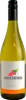
Winery EldaElis Falanghina
 White wine


In the mouth this white wine is a powerful.
This wine generally goes well with vegetarian, appetizers and snacks or shellfish.
Taste structure of the Elis Falanghina from the Winery Elda
Light | Bold | |
Dry | Sweet | |
Soft | Acidic |
In the mouth the Elis Falanghina of Winery Elda in the region of Puglia is a powerful.
Food and wine pairings with Elis Falanghina
Pairings that work perfectly with Elis Falanghina



Original food and wine pairings with Elis Falanghina
The Elis Falanghina of Winery Elda matches generally quite well with dishes of shellfish, vegetarian or appetizers and snacks such as recipes of lamb with okra sauce, magic cake cheese quiche or steamed carrots with saffron.
Details and technical informations about Winery Elda's Elis Falanghina.
Discover the grape variety: Divico
Interspecific cross between gamaret and bronner obtained in 1997 by Jean-Laurent Spring at the Agroscope Research Station in Pully (Switzerland). It should be noted that the divona is issued from the same cross.
Last vintages of this wine
The best vintages of Elis Falanghina from Winery Elda are 0, 2016
Informations about the Winery Elda
The Winery Elda is one of of the world's greatest estates. It offers 13 wines for sale in the of Puglia to come and discover on site or to buy online.

The wine region of Puglia
Puglia (Apulia to many English speakers) is a Long, slender wine region in the extreme Southeast corner of Italy's "boot". To use the shoe analogy often used to illustrate the shape of Italy, Apulia extends from the tip of the heel to the mid-calf, where the spur of the Gargano Peninsula juts out into the Adriatic Sea. The heel (the Salento peninsula) occupies the southern half of the region and is of great importance for the identity of Puglia. Not only are there cultural and geographical differences from Northern Puglia, but the wines are also different.
The word of the wine: Disgorging (champagne)
This is the evacuation of the deposit formed by the yeasts during the second fermentation in the bottle, by opening the bottle. The missing volume is completed with the liqueur de dosage - a mixture of wine and cane sugar - before the final cork is placed. For some years now, some producers have been replacing this sugar with rectified concentrated musts (concentrated grape juice) which give excellent results. A too recent dosage (less than three months) harms the gustatory harmony of the champagne.