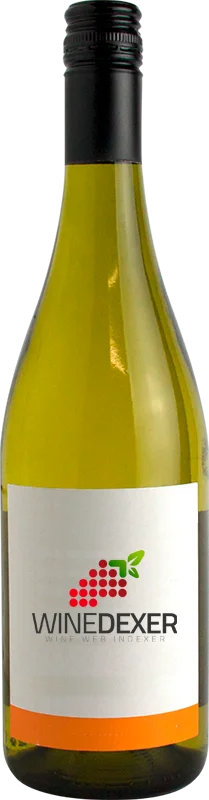
Winery El ZondazVerdejo - Macabeo
 White wine



In the mouth this white wine is a with a nice freshness.
This wine generally goes well with pork, vegetarian or shellfish.

Taste structure of the Verdejo - Macabeo from the Winery El Zondaz
Light | Bold | |
Dry | Sweet | |
Soft | Acidic |
In the mouth the Verdejo - Macabeo of Winery El Zondaz in the region of Vinos de Pago is a with a nice freshness.
Food and wine pairings with Verdejo - Macabeo
Pairings that work perfectly with Verdejo - Macabeo



Original food and wine pairings with Verdejo - Macabeo

The Verdejo - Macabeo of Winery El Zondaz matches generally quite well with dishes of pork, shellfish or vegetarian such as recipes of homemade burger, american style lobster tails, great chef style or light tuna-tomato quiche (without cream).
Details and technical informations about Winery El Zondaz's Verdejo - Macabeo.
Discover the grape variety: Verdejo
Lively, aromatic whites with sharp acidity and a sleek palate, with intense aromas of grapefruit, lime, fresh herbs, fennel, green almond and saline notes. Typically slightly bitter finish. Absolute star of Rueda DO in Castile-León, now widely exported. Also made as lees-aged and oak-influenced structured cuvées. Native Spanish variety, an ancient Castilian grape.
Last vintages of this wine
The best vintages of Verdejo - Macabeo from Winery El Zondaz are 0, 2017
Informations about the Winery El Zondaz
The Winery El Zondaz is one of of the world's greatest estates. It offers 4 wines for sale in the of Vinos de Pago to come and discover on site or to buy online.

The wine region of Vinos de Pago
Top of the Spanish quality pyramid (above DOCa and DO), reserved for 25 exceptional estates. Estate wines, grapes and vinification exclusively on site, 10 years of track record. All styles: concentrated, barrel-aged Cabernet, Syrah and Tempranillo reds (Dominio de Valdepusa, Arínzano, Pago de Otazu), maker's blends, a few ambitious whites. Great stylistic freedom.
The word of the wine: Wiring
Action of periodically filling barrels containing wine, in order to offset evaporation and maintain a maximum level. The topping up allows to avoid the phenomenon of oxidation.