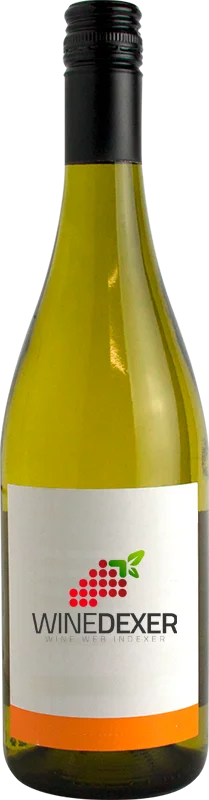
Winery Egri Korona BorhazEgri Menoire
 Sweet wine


This wine generally goes well with

Details and technical informations about Winery Egri Korona Borhaz's Egri Menoire.
Discover the grape variety: Petit Manseng
Exceptional sweet wines obtained by on-vine drying, with an unctuous mouth balanced by cutting acidity, featuring intense aromas of candied pineapple, mango, candied citrus, dried apricot, honey, dried fruits and sweet spice notes. Very high ageing potential. Star of Jurançon moelleux AOC and Pacherenc du Vic-Bilh AOC, also made as ambitious dry wines. Very late-ripening native grape of Béarn (South-West France).
Last vintages of this wine
The best vintages of Egri Menoire from Winery Egri Korona Borhaz are 2018, 0
Informations about the Winery Egri Korona Borhaz
The Winery Egri Korona Borhaz is one of of the world's great estates. It offers 40 wines for sale in the of Eger to come and discover on site or to buy online.

The wine region of Eger
Emblematic Hungarian region in the north, home of the legendary Egri Bikavér ("Bull's Blood"). A blend of fleshy, spicy reds with signature notes of black cherry, ripe plum, paprika, sweet spices and tobacco, round tannins. Mandatory base of Kékfrankos (Blaufränkisch), blended with fruity Kadarka, peppery Cabernet Franc and supple Merlot. Also Egri Csillag in white ("Star of Eger"), fresh and aromatic.
The word of the wine: Slim
A thin wine, lacking flesh and body.