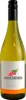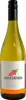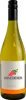
Winery EgoNo. 72 Veltlínské Zelené Pozdní Sběr
 White wine



This wine generally goes well with pork, vegetarian or lean fish.

Food and wine pairings with No. 72 Veltlínské Zelené Pozdní Sběr
Pairings that work perfectly with No. 72 Veltlínské Zelené Pozdní Sběr



Original food and wine pairings with No. 72 Veltlínské Zelené Pozdní Sběr



The No. 72 Veltlínské Zelené Pozdní Sběr of Winery Ego matches generally quite well with dishes of pork, rich fish (salmon, tuna etc) or shellfish such as recipes of tagliatelle with carbonara, spinach, smoked salmon and ricotta lasagne or tagliatelle with scallops.
Details and technical informations about Winery Ego's No. 72 Veltlínské Zelené Pozdní Sběr.
Discover the grape variety: Petit Bouschet
Intensely colored and supple reds with a deep, near-opaque purple robe, light tannins and a dense palate, showing signature aromas of black fruits (blackberry, blackcurrant), plum, spices and vinous notes. Powerful dye-grape profile with red-fleshed pulp. Formerly planted en masse in the South of France to intensify the color of Mediterranean blends. French black teinturier grape obtained in 1824 by Louis Bouschet, aramon × teinturier du Cher, parent of Alicante Bouschet.
Last vintages of this wine
The best vintages of No. 72 Veltlínské Zelené Pozdní Sběr from Winery Ego are 2017, 0, 2016
Informations about the Winery Ego
The Winery Ego is one of of the world's greatest estates. It offers 19 wines for sale in the of Morava to come and discover on site or to buy online.

The wine region of Morava
Predominantly white region, lively and mineral: crisp, peppery Grüner Veltliner, taut Riesling with citrus, supple, floral Müller-Thurgau, aromatic Pálava, the local signature (muscat, white flowers). More discreet reds: spicy Frankovka (Blaufränkisch) with black fruits, fine, silky Saint Laurent. Temperate continental climate, 4 sub-regions: Mikulov, Velké Pavlovice, Znojmo, Slovácko. ~96% of the Czech vineyard, 73 grapes grown.
The word of the wine: Tanin
A natural compound contained in the skin of the grape, the seed or the woody part of the bunch, the stalk. The maceration of red wines allows the extraction of tannins, which give the texture, the solidity and also the mellowness when the tannins are "ripe". The winemaker seeks above all to extract the tannins from the skin, the ripest and most noble. The tannins of the seed or stalk, which are "greener", especially in average years, give the wine hardness and astringency. The wines of Bordeaux (based on Cabernet and Merlot) are full of tannins, those of Burgundy much less so, with Pinot Noir containing little.