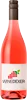
Winery EccociMontrodó Rosat
 Pink wine



This wine is a blend of 2 varietals which are the Petit Verdot and the Merlot.
This wine generally goes well with beef, game (deer, venison) or mature and hard cheese.

Wine flavors and olphactive analysis

On the nose the Montrodó Rosat of Winery Eccoci in the region of Catalogne often reveals types of flavors of red fruit.
Food and wine pairings with Montrodó Rosat
Pairings that work perfectly with Montrodó Rosat



Original food and wine pairings with Montrodó Rosat
The Montrodó Rosat of Winery Eccoci matches generally quite well with dishes of beef, game (deer, venison) or mature and hard cheese such as recipes of beef tournedos with boursin, duck breast with honey and raspberry vinegar or cordon bleu all house.
Details and technical informations about Winery Eccoci's Montrodó Rosat.
Discover the grape variety: Petit Verdot
Dark, full-bodied reds with tight tannins and inky colour, showing aromas of blackberry, violet, gentle spice, liquorice and mentholated balsamic notes. Contributes colour, structure and aromatic freshness to great Médoc blends (Palmer, Léoville-Las Cases) where it remains a minority. Also vinified as a single variety in Spain (La Mancha), California, Australia and Argentina. A late-ripening Bordeaux variety.
Last vintages of this wine
The best vintages of Montrodó Rosat from Winery Eccoci are 2018, 2014, 2019, 0 and 2017.
Informations about the Winery Eccoci
The Winery Eccoci is one of of the world's greatest estates. It offers 7 wines for sale in the of Catalogne to come and discover on site or to buy online.

The wine region of Catalogne
Cradle of Cava (~95% of Spanish output, traditional method): Macabeo, Xarel-lo, Parellada trilogy, fine fruity bubble. Quality peak in Priorat DOCa: dense, mineral reds on llicorella (schist), old-vine Garnacha and Cariñena with black fruit, garrigue notes, firm tannins. Also Penedès, fleshy Montsant, sunny Empordà, Costers del Segre. Mediterranean.
The word of the wine: Discharge
In the traditional method, elimination of the yeast deposit formed during the second fermentation in the bottle.