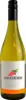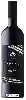
Winery Due SorbiFrappato
 Red wine
In the mouth this red wine is a powerful.
This wine generally goes well with beef, lamb or pasta.
Taste structure of the Frappato from the Winery Due Sorbi
Light | Bold | |
Smooth | Tannic | |
Dry | Sweet | |
Soft | Acidic |
In the mouth the Frappato of Winery Due Sorbi in the region of Sicily is a powerful.
Food and wine pairings with Frappato
Pairings that work perfectly with Frappato



Original food and wine pairings with Frappato
The Frappato of Winery Due Sorbi matches generally quite well with dishes of beef, pasta or lamb such as recipes of beef with mustard, fried rice noodles with chicken or leg of lamb brissac (leftover leg of lamb).
Details and technical informations about Winery Due Sorbi's Frappato.
Discover the grape variety: Clinton
A natural hybrid, most likely resulting from an interspecific cross between Vitis Riparia and Vitis Labrusca, first planted by Hugh White in College Hill, USA. In France, it is one of the six hybrids prohibited since 1935 (included in European regulations): Clinton, herbemont, isabelle, jacquez, noah and othello. It should be noted that it was used for a very long time as a rootstock, today it can still be found in arbors and trellises raised in private homes, our photographs were taken in the Cevennes.
Informations about the Winery Due Sorbi
The Winery Due Sorbi is one of of the world's greatest estates. It offers 7 wines for sale in the of Sicily to come and discover on site or to buy online.

The wine region of Sicily
Sicily is the Southernmost region of Italy, and the largest island in the Mediterranean Sea. For over 2500 years, Sicily (Sicilia in Italian) has been an important centre of Mediterranean viticulture, although the reputation and style of its wines have changed considerably over time. The island was once best known for its Sweet muscatels (see Pantelleria), and later for its fortified Marsala. Today, many of its best-known wines are Dry table wines produced under the regional designation IGT Terre Siciliane, or Sicilia DOC (see below).
The word of the wine: Collar
The upper, cylindrical part of the bottle. Sales of wine bottles are generally expressed in number of bottles.