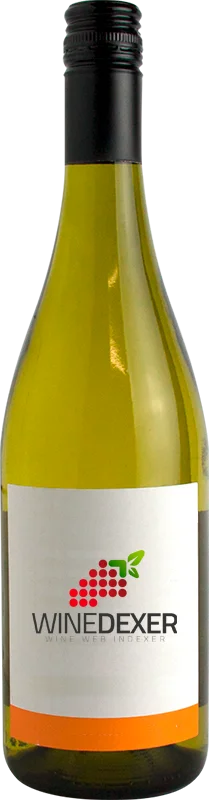
Winery Duca di SassetaNegroamaro Bianco
 White wine



In the mouth this white wine is a powerful.
This wine generally goes well with vegetarian, appetizers and snacks or shellfish.

Taste structure of the Negroamaro Bianco from the Winery Duca di Sasseta
Light | Bold | |
Dry | Sweet | |
Soft | Acidic |
In the mouth the Negroamaro Bianco of Winery Duca di Sasseta in the region of Puglia is a powerful.
Wine flavors and olphactive analysis




On the nose the Negroamaro Bianco of Winery Duca di Sasseta in the region of Puglia often reveals types of flavors of earth, tree fruit or spices and sometimes also flavors of citrus fruit, black fruit or floral.
Food and wine pairings with Negroamaro Bianco
Pairings that work perfectly with Negroamaro Bianco



Original food and wine pairings with Negroamaro Bianco
The Negroamaro Bianco of Winery Duca di Sasseta matches generally quite well with dishes of shellfish, vegetarian or appetizers and snacks such as recipes of chicken chop suey, quiche without eggs or boquerones anchovies in vinegar.
Details and technical informations about Winery Duca di Sasseta's Negroamaro Bianco.
Discover the grape variety: Ruby seedless
Seedless table grape with long bunches and spherical red-violet berries, thin skin and crunchy flesh, with a sweet, fresh flavour. Early ripening, productive with excellent shelf life. Grown in California, Chile, Australia and South Africa for export markets, prized for its beautiful table appearance and good commercial keeping quality. American black seedless table grape variety obtained in 1939 in California.
Last vintages of this wine
The best vintages of Negroamaro Bianco from Winery Duca di Sasseta are 2019, 0
Informations about the Winery Duca di Sasseta
The Winery Duca di Sasseta is one of of the world's greatest estates. It offers 20 wines for sale in the of Puglia to come and discover on site or to buy online.

The wine region of Puglia
Heel of the boot, 80% red vineyard, sunny and generous. Fleshy, jammy Primitivo (= Zinfandel) with notes of black cherry, plum, chocolate and spices, powerful alcohol and melted tannins, a star in Primitivo di Manduria. Deep, structured Negroamaro (black-bitter) with a bitter finish in Salice Salentino. Structured Nero di Troia, spicy Susumaniello.
The word of the wine: Muscat blanc à petits grains
A white grape variety cultivated since antiquity on the shores of the Mediterranean, it is considered the noblest of the muscats. It is mainly used to make sweet wines, often from mutage. In France, it is the sole variety used in many natural sweet wines: muscat-de-frontignan, muscat-de-mireval, muscat-de-lunel, muscat-de-saint-jean-de-minervois, muscat-de-beaumes-de-venise, muscat-du-cap-corse. Combined with Muscat d'Alexandrie, it gives Muscat-de-Rivesaltes. It is also used to make sparkling white wines (clairette-de-die; moscato d'asti and asti spumante in Italy) and dry wines (alsace-muscat). Powerfully aromatic and complex, its wines evoke fresh grapes, roses, exotic fruits, citrus fruits and spices.