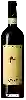
Winery Duca di AleramoDolcetto
 Red wine



In the mouth this red wine is a powerful.
This wine generally goes well with beef, game (deer, venison) or lamb.

Taste structure of the Dolcetto from the Winery Duca di Aleramo
Light | Bold | |
Smooth | Tannic | |
Dry | Sweet | |
Soft | Acidic |
In the mouth the Dolcetto of Winery Duca di Aleramo in the region of Piedmont is a powerful.


Food and wine pairings with Dolcetto
Pairings that work perfectly with Dolcetto



Original food and wine pairings with Dolcetto

The Dolcetto of Winery Duca di Aleramo matches generally quite well with dishes of beef, pasta or lamb such as recipes of chinese fondue, salmon cannelloni or 7 o'clock leg of lamb.
Details and technical informations about Winery Duca di Aleramo's Dolcetto.
Discover the grape variety: Persan
Elegant, structured reds with a deep ruby robe, firm tannins and fresh alpine acidity of intense red fruits (cherry, raspberry), blackfruit, spices, black pepper, alpine herbs and floral notes (violet). Fine ageing potential. A once near-extinct grape, preserved and now in renaissance for artisanal identity cuvées. Grown in Vin de Savoie AOC and Isère IGP. Native French grape of Savoie and Dauphiné, a rediscovered alpine signature.
Last vintages of this wine
The best vintages of Dolcetto from Winery Duca di Aleramo are 2017, 2016, 2008, 0 and 2018.
Informations about the Winery Duca di Aleramo
The Winery Duca di Aleramo is one of of the world's greatest estates. It offers 6 wines for sale in the of Monferrato to come and discover on site or to buy online.

The wine region of Monferrato
Historic cradle of Barbera (native here): indulgent reds with notes of ripe cherry, plum and raspberry, signature fresh acidity and supple tannins. Also identity grapes: pale, tannic, peppery Grignolino red, aromatic Ruchè (rose, spices, DOCG at Castagnole), Freisa and sweet muscat Brachetto. Whites: ample Cortese (base of neighbouring Gavi), aromatic Malvasia. Fruity Dolcetto.
The wine region of Piedmont
Kingdom of Nebbiolo: Barolo and Barbaresco DOCG, long-ageing reds with firm tannins and lively acidity, complex aromas of withered rose, sour cherry, tar, truffle and undergrowth. More accessible, tangy Barbera on red fruit, supple, crisp Dolcetto. Sweet, floral sparkling Moscato d'Asti, mineral, lemony Gavi (Cortese) white, round, almondy Arneis from Roero. 50,000 ha across the Langhe, Roero and Monferrato, UNESCO.
The word of the wine: Aranean
The underside of a grape leaf blade covered with tiny hairs distributed in a web-like pattern.