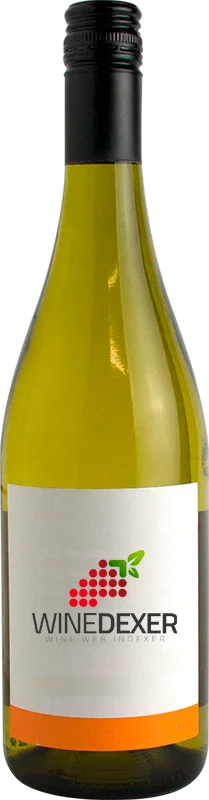
Winery DornbergRebula
 White wine
This wine generally goes well with

Details and technical informations about Winery Dornberg's Rebula.
Discover the grape variety: Ribolla gialla
Lively, taut whites with firm acidity and a slender mouth, featuring aromas of citrus, green apple, white flowers, fresh herbs and chalky mineral notes. Often vinified with skin maceration (orange wine), developing amber hues of dried fruits, honey, tannins and oxidative complexity. Signature of great Friulian whites (Collio DOC, Colli Orientali del Friuli DOC) and Slovenia under the name Rebula (Brda). Native Friulian grape.
Informations about the Winery Dornberg
The Winery Dornberg is one of of the world's greatest estates. It offers 24 wines for sale in the of Vipava to come and discover on site or to buy online.

The wine region of Vipava
Western Slovenian valley between Julian Alps and Adriatic, mild climate and marl soils (>2,300 ha). Mostly elegant whites with persistent bouquet. Signature Rebula (Ribolla Gialla) with notes of pear, citrus, white flowers, fresh almond and a saline mineral touch, taut palate. Also lively Sauvignon Blanc, ample Chardonnay, floral Malvasia.
The wine region of Primorje
Coastal region of western Slovenia, the country's most qualitative, bordering Italy. Signature elegant whites and orange wines. Star Rebula (Ribolla Gialla) with signature notes of pear, citrus, white flowers, fresh almond and a mineral touch, taut and long palate — often in long maceration (orange) with dried fruits and black tea notes. Native Refošk as dense, lively red (black cherry, iron).
The word of the wine: Presses
The juice that results from pressing the grapes after fermentation. At the end of the maceration, the vats are emptied, the first juice obtained is called the free-run wine and the marc remaining at the bottom of the vat is then pressed to give the press wine. We say more quickly "the presses". Their quality varies according to the vintage and the maceration. A too vigorous extraction releases the tannins of pips and the wine of press can then prove to be very astringent. Often the winemaker raises it separately, deciding later whether or not to incorporate it totally or partially into the grand vin.