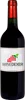
Winery Terrecarsiche 1939Niuru Niuru Nero di Troia
 Red wine



In the mouth this red wine is a powerful.
This wine generally goes well with beef, lamb or pasta.

Taste structure of the Niuru Niuru Nero di Troia from the Winery Terrecarsiche 1939
Light | Bold | |
Smooth | Tannic | |
Dry | Sweet | |
Soft | Acidic |
In the mouth the Niuru Niuru Nero di Troia of Winery Terrecarsiche 1939 in the region of Puglia is a powerful.
Food and wine pairings with Niuru Niuru Nero di Troia
Pairings that work perfectly with Niuru Niuru Nero di Troia



Original food and wine pairings with Niuru Niuru Nero di Troia
The Niuru Niuru Nero di Troia of Winery Terrecarsiche 1939 matches generally quite well with dishes of beef, pasta or lamb such as recipes of chinese fondue, mascarpone pasta with tomato sauce or lamb with coconut milk.
Details and technical informations about Winery Terrecarsiche 1939's Niuru Niuru Nero di Troia.
Discover the grape variety: Gelber Muskateller
Elegant, aromatic muscated whites with a pale golden robe and an airy palate, with intense signature aromas of muscat, white flowers (orange blossom, elderflower), exotic fruits and fresh grape. Also late-harvest and liqueur wines. Grown in Austria (Styria, Wachau, Burgenland), Germany (Baden, Palatinate) and northern Italy (Trentino). Austrian and German aromatic white variety; German-language synonym for Muscat Blanc à Petits Grains.
Last vintages of this wine
The best vintages of Niuru Niuru Nero di Troia from Winery Terrecarsiche 1939 are 0
Informations about the Winery Terrecarsiche 1939
The Winery Terrecarsiche 1939 is one of of the world's great estates. It offers 44 wines for sale in the of Puglia to come and discover on site or to buy online.

The wine region of Puglia
Heel of the boot, 80% red vineyard, sunny and generous. Fleshy, jammy Primitivo (= Zinfandel) with notes of black cherry, plum, chocolate and spices, powerful alcohol and melted tannins, a star in Primitivo di Manduria. Deep, structured Negroamaro (black-bitter) with a bitter finish in Salice Salentino. Structured Nero di Troia, spicy Susumaniello.
The word of the wine: Residual sugars
Sugars not transformed into alcohol and naturally present in the wine. The perception of residual sugars is conditioned by the acidity of the wine. The more acidic the wine is, the less sweet it will seem, given the same amount of sugar.