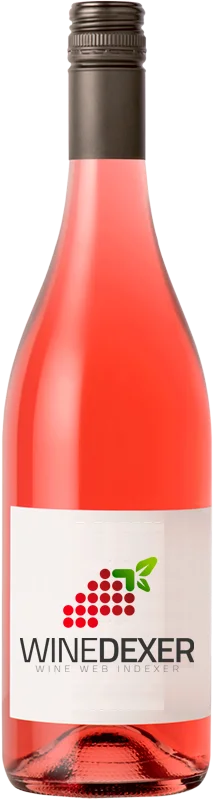
Winery Straight 8Rosé
 Pink wine


This wine generally goes well with pork, poultry or beef.

Food and wine pairings with Rosé
Pairings that work perfectly with Rosé



Original food and wine pairings with Rosé


The Rosé of Winery Straight 8 matches generally quite well with dishes of beef, pork or game (deer, venison) such as recipes of baked marrow bones, pasta carbonara almost like the real thing or duck breast with apples.
Details and technical informations about Winery Straight 8's Rosé.
Discover the grape variety: Cabernet franc
Supple, fragrant reds with fine tannins and vibrant freshness, showing raspberry, violet, green pepper, pencil lead and gentle spice aromas. Star of the Loire as a single variety (Chinon, Bourgueil, Saumur-Champigny) and of the right bank of Bordeaux in blends (Cheval Blanc at 60%). Also in semi-dry Anjou rosés. A historic Bordeaux variety, parent of Cabernet-Sauvignon, Merlot and Carmenère.
Last vintages of this wine
The best vintages of Rosé from Winery Straight 8 are 0
Informations about the Winery Straight 8
The Winery Straight 8 is one of of the world's greatest estates. It offers 7 wines for sale in the of Canterbury to come and discover on site or to buy online.

The wine region of Canterbury
East coast of New Zealand's South Island, temperate dry climate, clay-limestone and alluvial soils. Flagship sub-region: Waipara Valley. Signature Pinot Noir as red king: fine and silky with red cherry, raspberry, wild strawberry, undergrowth, violet and spice, fine tannins and elegant palate. Taut vibrant Riesling as star white (lime, green apple, blossom, kerosene with age), floral Pinot Gris, precise Chardonnay, lively Sauvignon.
The wine region of South Island
New Zealand's southern island, cradle of the country's great wines. Sauvignon Blanc signature in Marlborough (~80% of national vineyard): explosive and tropical with grapefruit, passion fruit, boxwood, cut grass and mineral touch — global benchmark. Pinot Noir star in Central Otago (among the most southerly) and Waipara: airy with cherry, raspberry, undergrowth, thyme. Taut Riesling, precise Chardonnay, floral Pinot Gris.
The word of the wine: Malolactic fermentation
Called second fermentation or malo for short. It is the degradation (under the effect of bacteria) of the malic acid naturally present in the wine into milder, less aggressive lactic acid. Some producers or wineries refuse this operation by "blocking the malo" (by cold and adding SO2) to keep a maximum of acidity which carries the aromas and accentuates the sensation of freshness.