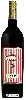
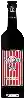
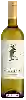
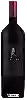
Domaine St.EugèneBütique
 Red wine


In the mouth this red wine is a powerful with a nice balance between acidity and tannins.
This wine generally goes well with beef, veal or pasta.

Taste structure of the Bütique from the Domaine St.Eugène
Light | Bold | |
Smooth | Tannic | |
Dry | Sweet | |
Soft | Acidic |
In the mouth the Bütique of Domaine St.Eugène in the region of Pays d'Oc is a powerful with a nice balance between acidity and tannins.
Food and wine pairings with Bütique
Pairings that work perfectly with Bütique



Original food and wine pairings with Bütique
The Bütique of Domaine St.Eugène matches generally quite well with dishes of beef, pasta or veal such as recipes of pasta bolognese, italian pasta salad or roast veal with chanterelles and cream.
Details and technical informations about Domaine St.Eugène's Bütique.
Discover the grape variety: Sercial
Vivid and nervy fortified whites with an amber-golden robe, taut mouthfeel and sharp acidity, with signature aromas of candied citrus, lemon, almond, green walnut, orange peel, honey and evolved oxidative notes with a characteristic bitter finish. Exceptional ageing potential (centuries). Star of the dry Madeira style, the most nervy of the four Madeira DOP styles. An autochthonous Portuguese variety of Madeira, signature of dry Madeiras.
Last vintages of this wine
The best vintages of Bütique from Domaine St.Eugène are 2015, 2013
Informations about the Domaine St.Eugène
The Domaine St.Eugène is one of of the world's greatest estates. It offers 16 wines for sale in the of Pays d'Oc to come and discover on site or to buy online.

The wine region of Pays d'Oc
The single-grape IGP par excellence: modern, accessible, frank and fruity wines, the popular signature of the Midi. Spicy Syrah reds (pepper, blackberry), round Merlot, structured Cabernet, generous Grenache, supple Cinsault. Crisp, tangy rosés. Opulent Chardonnay whites, lively Sauvignon, floral, apricoty Viognier.
The word of the wine: Deposit
Solid particles that can naturally coat the bottom of a bottle of wine. It is rather a guarantee that the wine has not been mistreated: in fact, to avoid the natural deposit, rather violent processes of filtration or cold passage (- 7 or - 8 °C) are used in order to precipitate the tartar (the small white crystals that some people confuse with crystallized sugar: just taste to dissuade you from it)