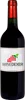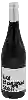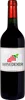
Domaine SaurignySakurajima
 Red wine


This wine is a blend of 5 varietals which are the Cabernet franc, the Cabernet-Sauvignon, the Chenin blanc, the Grolleau and the Gamay noir.
This wine generally goes well with fruity desserts, pork or vegetarian.
Food and wine pairings with Sakurajima
Pairings that work perfectly with Sakurajima


Original food and wine pairings with Sakurajima



The Sakurajima of Domaine Saurigny matches generally quite well with dishes of beef, lamb or pork such as recipes of southern beef meatballs, tunisian haja or tomatoes stuffed with sausage meat.
Details and technical informations about Domaine Saurigny's Sakurajima.
Discover the grape variety: Cabernet franc
Cabernet Franc is one of the oldest red grape varieties in Bordeaux. The Libourne region is its terroir where it develops best. The terroirs of Saint-Emilion and Fronsac allow it to mature and develop its best range of aromas. It is also the majority in many blends. The very famous Château Cheval Blanc, for example, uses 60% Cabernet Franc. The wines produced with Cabernet Franc are medium in colour with fine tannins and subtle aromas of small red fruits and spices. When blended with Merlot and Cabernet Sauvignon, it brings complexity and a bouquet of aromas to the wine. It produces fruity wines that can be drunk quite quickly but whose great vintages can be kept for a long time. It is an earlier grape variety than Cabernet-Sauvignon which means that it is also well planted further north, as far as the Loire Valley. In Anjou, it is also used to make sweet rosé wines. Cabernet Franc is now used in some twenty countries in Europe and throughout the world.
Last vintages of this wine

The best vintages of Sakurajima from Domaine Saurigny are 2017
Informations about the Domaine Saurigny
The Domaine Saurigny is one of of the world's greatest estates. It offers 21 wines for sale in the of Vin de France to come and discover on site or to buy online.

The wine region of Vin de France
The freest category of French wine, the playground of winemakers working outside the AOC. All styles combined: fruity reds, lively or ambitious whites, everyday rosés, unusual blends, natural wines, atypical grapes (Petit Manseng in Languedoc, Riesling in Provence), experimental winemaking (skin-contact whites, no sulphur). Grape and vintage labelling allowed, no geographic constraint. From the pop, convivial cuvée to the artisan gem: freedom in a bottle.
The word of the wine: Demi-sec
Champagne with between 33 and 50 grams of sugar (see dosage liqueur).