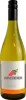
Domaine RougeyronCôtes d'Auvergne Chardonnay
 White wine


In the mouth this white wine is a .
This wine generally goes well with pork, vegetarian or poultry.

Taste structure of the Côtes d'Auvergne Chardonnay from the Domaine Rougeyron
Light | Bold | |
Dry | Sweet | |
Soft | Acidic |
In the mouth the Côtes d'Auvergne Chardonnay of Domaine Rougeyron in the region of Val de Loire is a .
Food and wine pairings with Côtes d'Auvergne Chardonnay
Pairings that work perfectly with Côtes d'Auvergne Chardonnay



Original food and wine pairings with Côtes d'Auvergne Chardonnay

The Côtes d'Auvergne Chardonnay of Domaine Rougeyron matches generally quite well with dishes such as recipes .
Details and technical informations about Domaine Rougeyron's Côtes d'Auvergne Chardonnay.
Discover the grape variety: Chardonnay
Whites with many faces: mineral and taut at Chablis (lemon, green apple, flint), opulent and buttery at Meursault and Puligny-Montrachet (hazelnut, brioche, yellow fruits), tense and chalky in Champagne (Blanc de Blancs). Also vinified sparkling and widely exported (Sonoma, Margaret River, Casablanca). A Burgundian variety, a cross of Pinot Noir × Gouais Blanc, half-sibling of Aligoté.
Last vintages of this wine
The best vintages of Côtes d'Auvergne Chardonnay from Domaine Rougeyron are 0
Informations about the Domaine Rougeyron
The Domaine Rougeyron is one of of the world's greatest estates. It offers 5 wines for sale in the of Puy-de-Dome to come and discover on site or to buy online.

The wine region of Puy-de-Dome
Volcanic Auvergne IGP at the heart of the Chaîne des Puys (basalts, pumice, red clays and pebbles): Gamay signature red king (~80%) — more tannic, spicy and floral (iris, violet) profile than in Beaujolais, contained nerviness preserved. Pinot Noir complementary signature — delicately liquorice notes, lightness and singular dynamism in difficult climate. Alternative grapes outside AOC Côtes d'Auvergne, slow minerality from volcanic soils.
The wine region of Val de Loire
France's most diverse vineyard, 800 km along the Loire (~48,300 ha). Flagship whites: lively, mineral Sauvignon from Sancerre-Pouilly (citrus, boxwood, gunflint), Loire Chenin from vibrant dry to noble sweet wines (quince, honey, taut acidity), Melon de Bourgogne of saline Muscadet on lees. Cabernet Franc reds (Chinon, Bourgueil, Saumur-Champigny): raspberry, bell pepper, graphite, silky tannins. Sparkling Cremants with brioche-apple notes.
The word of the wine: Malic (acid)
An acid that occurs naturally in many wines and is transformed into lactic acid during malolactic fermentation.