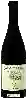
Domaine ObrièrePelbery
 Red wine
In the mouth this red wine is a with a nice balance between acidity and tannins.
This wine generally goes well with beef, veal or pasta.

Taste structure of the Pelbery from the Domaine Obrière
Light | Bold | |
Smooth | Tannic | |
Dry | Sweet | |
Soft | Acidic |
In the mouth the Pelbery of Domaine Obrière in the region of Languedoc-Roussillon is a with a nice balance between acidity and tannins.
Food and wine pairings with Pelbery
Pairings that work perfectly with Pelbery



Original food and wine pairings with Pelbery
The Pelbery of Domaine Obrière matches generally quite well with dishes of beef, pasta or veal such as recipes of baked marrow bones, pasta with scamorza and pancetta cheese or veal colombo.
Details and technical informations about Domaine Obrière's Pelbery.
Discover the grape variety: Schuyler
Fruity reds with a characteristic foxy flavour, a sustained ruby robe, supple tannins and a light palate with moderate acidity, featuring aromas of red fruits (cherry, raspberry) and typical Labrusca notes (wild strawberry). Early-ripening and cold-hardy. Grown in the north-eastern United States (New York) and Canada (Ontario) for simple wines and fresh consumption. American black hybrid variety obtained in 1947 by Cornell University.
Informations about the Domaine Obrière
The Domaine Obrière is one of of the world's greatest estates. It offers 7 wines for sale in the of Languedoc-Roussillon to come and discover on site or to buy online.

The wine region of Languedoc-Roussillon
Largest single French vineyard, dominated by sunny, generous reds. Spicy Syrah, candied Grenache (ripe fruit, garrigue), structured Carignan, deep Mourvèdre, supple Cinsault. Stars: structured Corbières, Minervois, Faugères, Saint-Chinian; round Côtes-du-Roussillon. Legendary vins doux naturels: Banyuls and Maury (fortified Grenache) with notes of cocoa, fig, prune.
The word of the wine: Rehoboam
Bottle with a capacity of 4.5 l.