The Domaine Mi-Côte of Languedoc of Languedoc-Roussillon
Domaine Mi-Côte
The winery offers 14 different wines
3.8


Note - 1Note - 1Note - 1Note - 0.5Note - 0
Its wines get an average rating of 3.8.
It is ranked in the top 5047 of the estates of Languedoc-Roussillon.
It is located in Languedoc in the region of Languedoc-Roussillon

The Domaine Mi-Côte is one of the best wineries to follow in Languedoc.. It offers 14 wines for sale in of Languedoc to come and discover on site or to buy online.
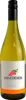
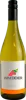
Top Domaine Mi-Côte wines

Looking for the best Domaine Mi-Côte wines in Languedoc among all the wines in the region? Check out our tops of the best red, white or effervescent Domaine Mi-Côte wines. Also find some food and wine pairings that may be suitable with the wines from this area. Learn more about the region and the Domaine Mi-Côte wines with technical and enological descriptions.

The top white wines of Domaine Mi-Côte

Food and wine pairings with a white wine of Domaine Mi-Côte

How Domaine Mi-Côte wines pair with each other generally quite well with dishes of pasta, vegetarian or poultry such as recipes of pasta gratin carbonara style, quiche without eggs or okonomiyaki or japanese 'pancake.

The grape varieties most used in the white wines of Domaine Mi-Côte.

  • Chardonnay
  • Grenache Gris
  • Viognier

Discovering the wine region of Languedoc

Sunny, generous southern reds: spicy, peppery Syrah, round, candied Grenache (ripe fruit, garrigue), deep Mourvèdre, structured Carignan, supple Cinsault. From robust Corbières and Minervois to fresher Terrasses du Larzac, via Faugères on schist or taut Pic Saint-Loup. Lively, iodised Picpoul de Pinet whites (oysters), ample Roussanne and Marsanne. 14 sub-appellations, ~10,000 ha in regional AOC.

Fleshy, convivial wines.

The top red wines of Domaine Mi-Côte

Food and wine pairings with a red wine of Domaine Mi-Côte

How Domaine Mi-Côte wines pair with each other generally quite well with dishes of beef, pasta or veal such as recipes of southern beef meatballs, soy and shrimp noodles or veal cutlets parmigiana.

Organoleptic analysis of red wines of Domaine Mi-Côte

In the mouth the red wine of Domaine Mi-Côte. is a powerful with a nice balance between acidity and tannins.

The best vintages in the red wines of Domaine Mi-Côte

  • 2018With an average score of 3.40/5

The grape varieties most used in the red wines of Domaine Mi-Côte.

  • Shiraz/Syrah
  • Grenache
  • Merlot
  • Marselan

Discover the grape variety: Merlot

Round and fleshy reds with a velvety texture, showing aromas of ripe plum, black cherry, cocoa and truffle notes with age. Supple tannins, generous alcohol, indulgent finish. Pillar of Libournais (Pomerol with Pétrus, Saint-Émilion with Cheval Blanc and Ausone) and signature of Super Tuscans, Italian Wales and Washington State. A cross of Cabernet Franc × Magdeleine Noire, France's most planted red variety.

The top pink wines of Domaine Mi-Côte

Food and wine pairings with a pink wine of Domaine Mi-Côte

How Domaine Mi-Côte wines pair with each other generally quite well with dishes of pasta, vegetarian or appetizers and snacks such as recipes of pastasciutta (corsica), vegan leek and tofu quiche or pretzel and ode mauricette!.

The grape varieties most used in the pink wines of Domaine Mi-Côte.

  • Shiraz/Syrah
  • Cinsault

The word of the wine: Malolactic fermentation

Called second fermentation or malo for short. It is the degradation (under the effect of bacteria) of the malic acid naturally present in the wine into milder, less aggressive lactic acid. Some producers or wineries refuse this operation by "blocking the malo" (by cold and adding SO2) to keep a maximum of acidity which carries the aromas and accentuates the sensation of freshness.

Discover other wineries and winemakers neighboring the Domaine Mi-Côte

Planning a wine route in the of Languedoc? Here are the wineries to visit and the winemakers to meet during your trip in search of wines similar to Domaine Mi-Côte.

Discover the grape variety: Chardonnay

Whites with many faces: mineral and taut at Chablis (lemon, green apple, flint), opulent and buttery at Meursault and Puligny-Montrachet (hazelnut, brioche, yellow fruits), tense and chalky in Champagne (Blanc de Blancs). Also vinified sparkling and widely exported (Sonoma, Margaret River, Casablanca). A Burgundian variety, a cross of Pinot Noir × Gouais Blanc, half-sibling of Aligoté.