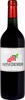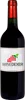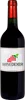
Domaine LafargueRosé
 Pink wine
This wine generally goes well with pork, poultry or rich fish (salmon, tuna etc).
The Rosé of the Domaine Lafargue is in the top 70 of wines of Lirac.

Food and wine pairings with Rosé
Pairings that work perfectly with Rosé



Original food and wine pairings with Rosé

The Rosé of Domaine Lafargue matches generally quite well with dishes of pork, rich fish (salmon, tuna etc) or shellfish such as recipes of stuffed artichoke, cod and potato gratin or shrimp, coconut and ginger soup.
Details and technical informations about Domaine Lafargue's Rosé.
Discover the grape variety: Calabrese
Intense and structured reds with a deep purple hue, supple tannins and an ample palate with preserved acidity, featuring signature aromas of ripe black fruits (black cherry, plum), spices (pepper), liquorice and Sicilian Mediterranean notes. Star of dry Sicilian reds (Nero d'Avola DOC) and the island's aromatic signature, widely exported to the US and Australia. Italian black grape, historic synonym of Nero d'Avola, originating from Sicily.
Informations about the Domaine Lafargue
The Domaine Lafargue is one of of the world's greatest estates. It offers 3 wines for sale in the of Lirac to come and discover on site or to buy online.

The wine region of Lirac
Rhône cru on the right bank facing Châteauneuf-du-Pape (Gard): Grenache Noir signature as king red (>=40%) with Syrah and Mourvèdre — deep robe with notes of red and black fruits, garrigue, spices evolving to leather, liquorice, truffle and cocoa. Signature fresh rosés on red fruits and flowers. Mineral racy whites of Bourboulenc, Clairette, Grenache Blanc and Roussanne (white fruits, flowers). Only historical Rhône appellation in all 3 colours.
The wine region of Rhone Valley
France's 2nd-largest AOC vineyard, two complementary worlds. Northern: pure Syrah in signature reds (Côte-Rôtie, Hermitage, Cornas), deep and peppery with blackberry, violet, black olive and smoked bacon notes, exceptional ageing. Opulent Viognier whites (Condrieu, apricot, flowers) and ample Marsanne-Roussanne. Southern: sun-soaked Grenache blends at Châteauneuf, Gigondas, Vacqueyras (candied fruit, garrigue).
The word of the wine: Cooperative cellar
A collective production structure to which winegrowers belong in order to pool their grapes, transform them into wine and ensure its marketing.