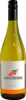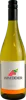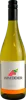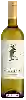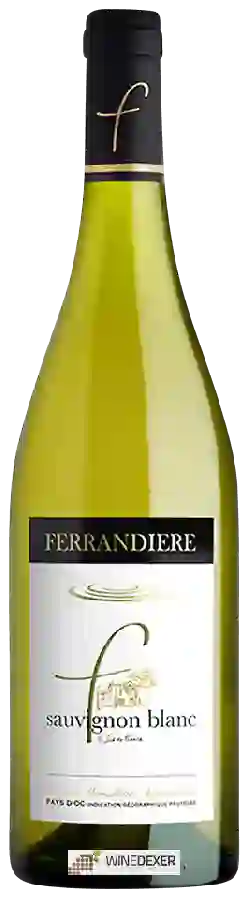
Domaine FerrandièreSauvignon Blanc
 White wine



In the mouth this white wine is a with a nice freshness.
This wine generally goes well with vegetarian, poultry or lean fish.

Taste structure of the Sauvignon Blanc from the Domaine Ferrandière
Light | Bold | |
Dry | Sweet | |
Soft | Acidic |
In the mouth the Sauvignon Blanc of Domaine Ferrandière in the region of Pays d'Oc is a with a nice freshness.
Wine flavors and olphactive analysis



On the nose the Sauvignon Blanc of Domaine Ferrandière in the region of Pays d'Oc often reveals types of flavors of green apple, melon or oak and sometimes also flavors of tree fruit.
Food and wine pairings with Sauvignon Blanc
Pairings that work perfectly with Sauvignon Blanc



Original food and wine pairings with Sauvignon Blanc


The Sauvignon Blanc of Domaine Ferrandière matches generally quite well with dishes of pasta, vegetarian or poultry such as recipes of lasagne with salmon, goat cheese and spinach, cream and tuna quiche or seafood, chorizo and chicken paella from patou.
Details and technical informations about Domaine Ferrandière's Sauvignon Blanc.
Discover the grape variety: Vignoles
Aromatic, tangy whites with a taut palate and lively acidity, showing intense aromas of pineapple, apricot, peach, passion fruit, white flowers and honey. Exceptional aptitude for late-harvest and botrytised sweet wines. Star of the great sweet wines of Finger Lakes (New York), Missouri, Virginia and Ontario, defining the identity of North American continental whites. French hybrid created in the early 20th century by J.-F. Ravat (Ravat 51).
Last vintages of this wine
The best vintages of Sauvignon Blanc from Domaine Ferrandière are 2015, 2017, 2018, 2014 and 2016.
Informations about the Domaine Ferrandière
The Domaine Ferrandière is one of of the world's greatest estates. It offers 46 wines for sale in the of Pays d'Oc to come and discover on site or to buy online.

The wine region of Pays d'Oc
The single-grape IGP par excellence: modern, accessible, frank and fruity wines, the popular signature of the Midi. Spicy Syrah reds (pepper, blackberry), round Merlot, structured Cabernet, generous Grenache, supple Cinsault. Crisp, tangy rosés. Opulent Chardonnay whites, lively Sauvignon, floral, apricoty Viognier.
The word of the wine: Tries (harvest by)
Harvesting in several successive passages to harvest at their optimal concentration the grapes affected by noble rot. They allow the production of great sweet wines.