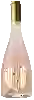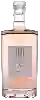
Domaine FerrandièrePur Rosé
 Pink wine
In the mouth this pink wine is a with a nice freshness.
This wine generally goes well with vegetarian, appetizers and snacks or lean fish.

Taste structure of the Pur Rosé from the Domaine Ferrandière
Light | Bold | |
Dry | Sweet | |
Soft | Acidic |
In the mouth the Pur Rosé of Domaine Ferrandière in the region of Languedoc-Roussillon is a with a nice freshness.
Food and wine pairings with Pur Rosé
Pairings that work perfectly with Pur Rosé



Original food and wine pairings with Pur Rosé


The Pur Rosé of Domaine Ferrandière matches generally quite well with dishes of pasta, vegetarian or appetizers and snacks such as recipes of pasta and peppers, salmon and goat cheese quiche or pastels (senegalese stuffed fritters).
Details and technical informations about Domaine Ferrandière's Pur Rosé.
Discover the grape variety: Tempranillo Blanco
Structured, aromatic dry whites with a pale golden robe, an ample palate and preserved acidity, with signature aromas of yellow fruits (pear, peach, apricot), white flowers (acacia), citrus and herbaceous notes. Fine barrel-ageing potential, a qualitative diversification among the great modern white Riojas. Grown in Rioja DOCa, authorised in 2007. A white-skinned mutation of Tempranillo discovered by chance in 1988.
Informations about the Domaine Ferrandière
The Domaine Ferrandière is one of of the world's great estates. It offers 46 wines for sale in the of Languedoc-Roussillon to come and discover on site or to buy online.

The wine region of Languedoc-Roussillon
Largest single French vineyard, dominated by sunny, generous reds. Spicy Syrah, candied Grenache (ripe fruit, garrigue), structured Carignan, deep Mourvèdre, supple Cinsault. Stars: structured Corbières, Minervois, Faugères, Saint-Chinian; round Côtes-du-Roussillon. Legendary vins doux naturels: Banyuls and Maury (fortified Grenache) with notes of cocoa, fig, prune.
The word of the wine: Chair
Characteristic of a wine that gives an impression of fullness and density in the mouth, without any roughness.