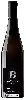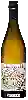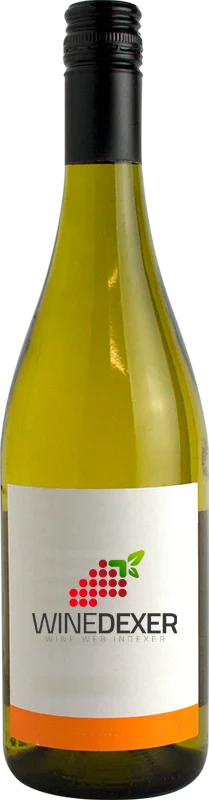
Winery Emil Bauer & SöhneKawumm Sauvignon Blanc
 White wine


In the mouth this white wine is a with a nice freshness.
This wine generally goes well with vegetarian, shellfish or goat cheese.

Taste structure of the Kawumm Sauvignon Blanc from the Winery Emil Bauer & Söhne
Light | Bold | |
Dry | Sweet | |
Soft | Acidic |
In the mouth the Kawumm Sauvignon Blanc of Winery Emil Bauer & Söhne in the region of Pfalz is a with a nice freshness.
Food and wine pairings with Kawumm Sauvignon Blanc
Pairings that work perfectly with Kawumm Sauvignon Blanc



Original food and wine pairings with Kawumm Sauvignon Blanc
The Kawumm Sauvignon Blanc of Winery Emil Bauer & Söhne matches generally quite well with dishes of shellfish, vegetarian or goat cheese such as recipes of linguine with shrimp and spicy tomato sauce, quiche with leeks and fresh salmon from flo or potato casserole with goat cheese and chorizo.
Details and technical informations about Winery Emil Bauer & Söhne's Kawumm Sauvignon Blanc.
Discover the grape variety: Rayon d'or
Simple, lively dry whites with a pale golden colour, a supple palate and preserved acidity showing unassertive citrus, white flower and herbaceous aromas typical of hybrid varieties. A rustic disease-resistant profile. Grown mainly in the United States (Missouri, Pennsylvania) and Canada for continental-climate vineyards, a legacy of post-phylloxera hybridisation.
Last vintages of this wine

The best vintages of Kawumm Sauvignon Blanc from Winery Emil Bauer & Söhne are 2018, 0, 2019
Informations about the Winery Emil Bauer & Söhne
The Winery Emil Bauer & Söhne is one of of the world's great estates. It offers 93 wines for sale in the of Pfalz to come and discover on site or to buy online.

The wine region of Pfalz
Fleshy, dry, fruity Riesling is the region's signature: yellow peach, apricot, ripe citrus, lovely mineral tension. Germany's largest red-wine area (40%), with silky Spätburgunder showing red fruit and spice, darker structured Dornfelder, supple Portugieser. Some rounded Pinot Blanc and Pinot Gris. A 23,640 ha vineyard along the Haardt, among Germany's warmest (>2,000 h of sun).
The word of the wine: Oxidative (breeding)
A method of ageing which aims to give the wine certain aromas of evolution (dried fruit, bitter orange, coffee, rancio, etc.) by exposing it to the air; it is then matured either in barrels, demi-muids or unoaked casks, sometimes stored in the open air, or in barrels exposed to the sun and to temperature variations. This type of maturation characterizes certain natural sweet wines, ports and other liqueur wines.