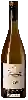
Domaine du Grand CheminCuvée Renato Sauvignon
 White wine
This wine generally goes well with vegetarian, poultry or lean fish.

Food and wine pairings with Cuvée Renato Sauvignon
Pairings that work perfectly with Cuvée Renato Sauvignon



Original food and wine pairings with Cuvée Renato Sauvignon


The Cuvée Renato Sauvignon of Domaine du Grand Chemin matches generally quite well with dishes of pasta, vegetarian or poultry such as recipes of spaghetti cacio e pepe, leek, goat cheese and bacon quiche or fried chicken.
Details and technical informations about Domaine du Grand Chemin's Cuvée Renato Sauvignon.
Discover the grape variety: Delrho
Simple colourful and fruity reds with a light purple colour, smooth tannins, an airy palate with preserved acidity, and understated aromas of red and black fruits. Productive. Now marginal, surviving in a few heritage plots in France and preserved in varietal collections for its genetic interest. French black hybrid variety developed in the 20th century as a disease-resistant cross.
Informations about the Domaine du Grand Chemin
The Domaine du Grand Chemin is one of of the world's great estates. It offers 49 wines for sale in the of Languedoc-Roussillon to come and discover on site or to buy online.

The wine region of Languedoc-Roussillon
Largest single French vineyard, dominated by sunny, generous reds. Spicy Syrah, candied Grenache (ripe fruit, garrigue), structured Carignan, deep Mourvèdre, supple Cinsault. Stars: structured Corbières, Minervois, Faugères, Saint-Chinian; round Côtes-du-Roussillon. Legendary vins doux naturels: Banyuls and Maury (fortified Grenache) with notes of cocoa, fig, prune.
The word of the wine: CM
Mention on the label of a champagne. It is a handling cooperative that produces on its own premises and markets under its own brand the wines made from the grapes harvested by its members.