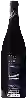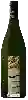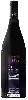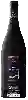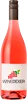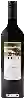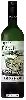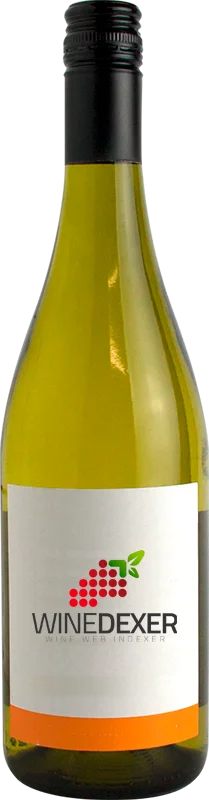
Domaine du CerbierCuvée Lune de Miel
 White wine
This wine generally goes well with vegetarian, poultry or lean fish.

Food and wine pairings with Cuvée Lune de Miel
Pairings that work perfectly with Cuvée Lune de Miel



Original food and wine pairings with Cuvée Lune de Miel


The Cuvée Lune de Miel of Domaine du Cerbier matches generally quite well with dishes of pasta, vegetarian or poultry such as recipes of spaghetti with knackis, quiche without pastry or stuffed artichoke.
Details and technical informations about Domaine du Cerbier's Cuvée Lune de Miel.
Discover the grape variety: Marsanne
Rich, structured whites with a round palate and long finish, with aromas of ripe yellow fruits, honey, white flowers, toasted almond and mineral notes. Fine ageing potential, developing waxy and truffle nuances with age. Key variety in the great whites of the northern Rhône (Hermitage, Crozes-Hermitage, Saint-Joseph, Saint-Péray) blended with roussanne. Also exported to Australia (Victoria) and California. Native Rhône variety.
Informations about the Domaine du Cerbier
The Domaine du Cerbier is one of of the world's greatest estates. It offers 8 wines for sale in the of Corbières to come and discover on site or to buy online.

The wine region of Corbières
Largest AOC in Languedoc, 95% Mediterranean reds. Signature old-vine Carignan (up to 60%): fleshy reds with black fruit, garrigue, black olive, spice and tight tannins. Blended with round, sunny Grenache, peppery Syrah, dense Mourvèdre and supple Cinsault. A few fresh rosés and whites (Grenache Blanc, Roussanne).
The wine region of Languedoc-Roussillon
Largest single French vineyard, dominated by sunny, generous reds. Spicy Syrah, candied Grenache (ripe fruit, garrigue), structured Carignan, deep Mourvèdre, supple Cinsault. Stars: structured Corbières, Minervois, Faugères, Saint-Chinian; round Côtes-du-Roussillon. Legendary vins doux naturels: Banyuls and Maury (fortified Grenache) with notes of cocoa, fig, prune.
The word of the wine: Film maceration
A technique that consists of leaving the grapes to macerate in the open air at a low temperature before fermentation, thus enhancing the aromatic expression of the wine.