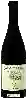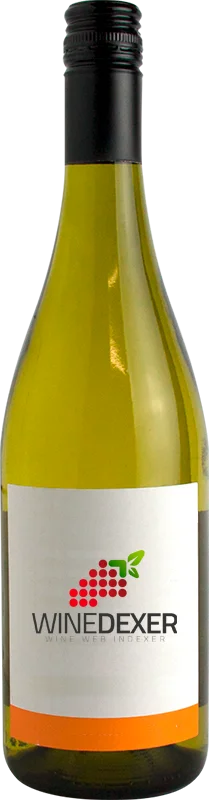
Domaine des PlanesMuscat Blanc de Blancs
 White wine


In the mouth this white wine is a powerful.
This wine generally goes well with vegetarian, poultry or lean fish.

Taste structure of the Muscat Blanc de Blancs from the Domaine des Planes
Light | Bold | |
Dry | Sweet | |
Soft | Acidic |
In the mouth the Muscat Blanc de Blancs of Domaine des Planes in the region of Languedoc-Roussillon is a powerful.
Food and wine pairings with Muscat Blanc de Blancs
Pairings that work perfectly with Muscat Blanc de Blancs



Original food and wine pairings with Muscat Blanc de Blancs


The Muscat Blanc de Blancs of Domaine des Planes matches generally quite well with dishes of pasta, vegetarian or poultry such as recipes of pasta with boursin, quiche with bacon and gruyère cheese or pasta carbonara.
Details and technical informations about Domaine des Planes's Muscat Blanc de Blancs.
Discover the grape variety: Pinot Bianco
Structured and full dry whites with a pale golden robe, an ample palate and preserved acidity, with signature aromas of white-fleshed fruits (pear, apple), almond, white flowers (hawthorn) and mineral notes. Also used in sparkling wines (base for spumante metodo classico). The star of the Alto Adige Pinot Bianco DOC, Friuli DOC and great Venetian whites. The Italian synonym for Pinot Blanc, a native Burgundy white grape — white-skinned mutation of Pinot Noir.
Last vintages of this wine
The best vintages of Muscat Blanc de Blancs from Domaine des Planes are 2014
Informations about the Domaine des Planes
The Domaine des Planes is one of of the world's greatest estates. It offers 16 wines for sale in the of Languedoc-Roussillon to come and discover on site or to buy online.

The wine region of Languedoc-Roussillon
Largest single French vineyard, dominated by sunny, generous reds. Spicy Syrah, candied Grenache (ripe fruit, garrigue), structured Carignan, deep Mourvèdre, supple Cinsault. Stars: structured Corbières, Minervois, Faugères, Saint-Chinian; round Côtes-du-Roussillon. Legendary vins doux naturels: Banyuls and Maury (fortified Grenache) with notes of cocoa, fig, prune.
The word of the wine: Pressing
Mechanical action consisting of pressing the grapes (before fermentation for whites) or the marc soaked in wine (after fermentation for reds).