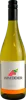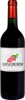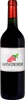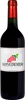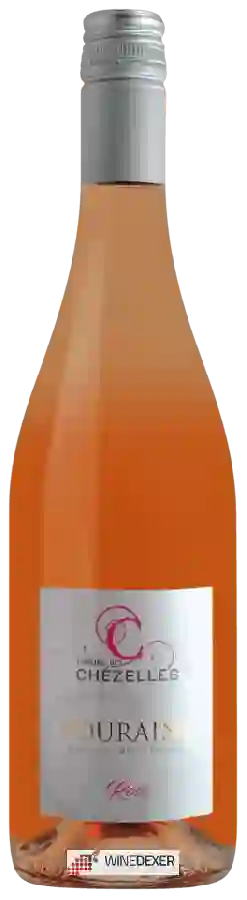
Domaine des ChezellesRosé
 Pink wine


This wine is a blend of 3 varietals which are the Cabernet-Sauvignon, the Pinot noir and the Gamay noir.
This wine generally goes well with pork, poultry or beef.
Food and wine pairings with Rosé
Pairings that work perfectly with Rosé



Original food and wine pairings with Rosé



The Rosé of Domaine des Chezelles matches generally quite well with dishes of beef, lamb or veal such as recipes of oxtail confit in red wine, lamb keftas or duck breast with orange sauce.
Details and technical informations about Domaine des Chezelles's Rosé.
Discover the grape variety: Cabernet-Sauvignon
Cabernet-Sauvignon noir is a grape variety that originated in France (Bordeaux). It produces a variety of grape specially used for wine making. It is rare to find this grape to eat on our tables. This variety of grape is characterized by small bunches, and small grapes. Cabernet-Sauvignon noir can be found in many vineyards: South-West, Loire Valley, Languedoc & Roussillon, Cognac, Bordeaux, Armagnac, Rhone Valley, Provence & Corsica, Savoie & Bugey, Beaujolais.
Informations about the Domaine des Chezelles
The Domaine des Chezelles is one of of the world's great estates. It offers 17 wines for sale in the of Touraine to come and discover on site or to buy online.

The wine region of Touraine
The wine region of Touraine is located in the region of Centre Loire of Loire Valley of France. Wineries and vineyards like the Domaine Famille Bougrier or the Domaine Joel Delaunay produce mainly wines white, red and sparkling. The most planted grape varieties in the region of Touraine are Cabernet franc, Gamay noir and Chenin blanc, they are then used in wines in blends or as a single variety. On the nose of Touraine often reveals types of flavors of grapefruit, tar or kiwi and sometimes also flavors of lime zest, lychee or asparagus.
The wine region of Loire Valley
The Loire Valley is a key wine region in western France. It follows the course of the Loire River on its Long journey through the heart of France, from the inland hills of the Auvergne to the plains of the French Atlantic coast near Nantes (Muscadet country). Important in terms of quantity and quality, the region produces large quantities (about 4 million h/l each year) of everyday wines, as well as some of France's greatest wines. Diversity is another of the region's major assets; the styles of wine produced here range from the light, tangy Muscadet to the Sweet, honeyed Bonnezeaux, the Sparkling whites of Vouvray and the juicy, Tannic reds of Chinon and Saumur.
The word of the wine: Oenologist
Specialist in wine-making techniques. It is a profession and not a passion: one can be an oenophile without being an oenologist (and the opposite too!). Formerly attached to the Faculty of Pharmacy, oenology studies have become independent and have their own university course. Learning to make wine requires a good chemical background but also, increasingly, a good knowledge of the plant. Some oenologists work in laboratories (analysis). Others, the consulting oenologists, work directly in the properties.