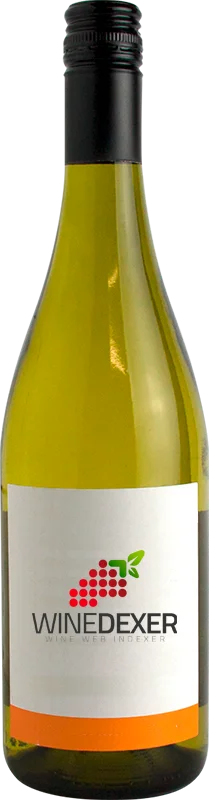
Domaine de VilleneuveTradition Languedoc Blanc
 White wine
This wine generally goes well with vegetarian, poultry or lean fish.

Food and wine pairings with Tradition Languedoc Blanc
Pairings that work perfectly with Tradition Languedoc Blanc



Original food and wine pairings with Tradition Languedoc Blanc


The Tradition Languedoc Blanc of Domaine de Villeneuve matches generally quite well with dishes of pasta, vegetarian or poultry such as recipes of the real recipe for carbonara, magic cake cheese quiche or chicken massala.
Details and technical informations about Domaine de Villeneuve's Tradition Languedoc Blanc.
Discover the grape variety: Graisse
Lively, neutral dry whites with a pale golden robe, a taut palate with marked acidity, and undemonstrative aromas of citrus and white flowers. An acidic profile ideal for distillation. A traditional component of Armagnac AOC blends, it contributes to the aromatic identity and finesse of Gascon eau-de-vie alongside Ugni Blanc, Baco and Colombard. An indigenous French white from the South-West, grown mainly in Gascony for distillation.
Informations about the Domaine de Villeneuve
The Domaine de Villeneuve is one of of the world's greatest estates. It offers 39 wines for sale in the of Languedoc-Roussillon to come and discover on site or to buy online.

The wine region of Languedoc-Roussillon
Largest single French vineyard, dominated by sunny, generous reds. Spicy Syrah, candied Grenache (ripe fruit, garrigue), structured Carignan, deep Mourvèdre, supple Cinsault. Stars: structured Corbières, Minervois, Faugères, Saint-Chinian; round Côtes-du-Roussillon. Legendary vins doux naturels: Banyuls and Maury (fortified Grenache) with notes of cocoa, fig, prune.
The word of the wine: Botrytis
Fungus that causes grape rot.









