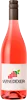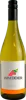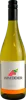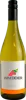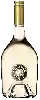
Domaine de Saint JulienCoteaux Varois en Provence Blanc
 White wine


This wine generally goes well with beef, lamb or mature and hard cheese.

Food and wine pairings with Coteaux Varois en Provence Blanc
Pairings that work perfectly with Coteaux Varois en Provence Blanc



Original food and wine pairings with Coteaux Varois en Provence Blanc

The Coteaux Varois en Provence Blanc of Domaine de Saint Julien matches generally quite well with dishes of beef, lamb or spicy food such as recipes of beef goulash, leg of lamb with spices or piperade.
Details and technical informations about Domaine de Saint Julien's Coteaux Varois en Provence Blanc.
Discover the grape variety: Criolla grande
Light reds with a pale ruby robe, soft tannins, and an airy palate, with simple aromas of red fruits (cherry, strawberry) and floral notes. Accessible, easy-drinking profile. Grown mainly in Mendoza, contributing to Argentine table wines and economical blends. An Argentine black variety descended from grapes brought by Spanish missionaries in the 16th century, vigorous and productive.
Last vintages of this wine

The best vintages of Coteaux Varois en Provence Blanc from Domaine de Saint Julien are 2018, 2017
Informations about the Domaine de Saint Julien
The Domaine de Saint Julien is one of of the world's greatest estates. It offers 10 wines for sale in the of Coteaux Varois en Provence to come and discover on site or to buy online.

The wine region of Coteaux Varois en Provence
Provençal AOC of the Var hinterland (28 villages, ~2,229 ha) tempered by the Sainte-Baume massif. Signature rosés dominate (91%): pale robe with signature notes of strawberry, grapefruit, white peach, flowers (rose, garrigue) and a citrus touch, fresh and thirst-quenching palate — more structured and mineral than the coast thanks to altitude. Cinsault, Grenache, Syrah, Mourvèdre at the base, local Tibouren. Supple cherry-garrigue reds, Rolle and Clairette whites.
The wine region of Provence
World capital of dry, refined rosé (~90% of production). Pale rose-petal colour, delicate nose of fresh red fruits (strawberry, raspberry, redcurrant), citrus (pink grapefruit), white flowers and a mineral touch, taut and thirst-quenching palate — the Mediterranean aperitif par excellence. Blends of Grenache, Cinsault, Syrah, Tibouren and Mourvèdre. Fleshy Bandol reds from Mourvèdre (leather, garrigue, age-worthy), straight Cassis whites.
The word of the wine: Performance
Quantity of grapes harvested per hectare. In AOC, the average yield is limited on the proposal of the appellation syndicate, validated by the Inao. The use of high-performance plant material (especially clones) and better control of vine diseases have increased yields. This is not without consequences on the quality of the wines (dilution) and on the state of the market (too much wine). We must not over-simplify: low yields are not synonymous with quality, and it is often in years with generous harvests that we find the greatest vintages (1982 and 1986 in Bordeaux, 1996 in Champagne, 1990 and 2005 in Burgundy...).