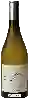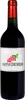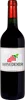
Domaine de la PerdrixRivesaltes Grenat
 Natural sweet wine
This wine generally goes well with beef and mature and hard cheese.

Food and wine pairings with Rivesaltes Grenat
Pairings that work perfectly with Rivesaltes Grenat


Original food and wine pairings with Rivesaltes Grenat
The Rivesaltes Grenat of Domaine de la Perdrix matches generally quite well with dishes of beef or mature and hard cheese such as recipes of polish goulash or ginouflade (kind of truffade or aligot but multi cheese).
Details and technical informations about Domaine de la Perdrix's Rivesaltes Grenat.
Discover the grape variety: Corinto Nero
Small, intensely coloured seedless grapes, mainly destined for raisin production. More rarely vinified into confidential sweet and liqueur wines from the Aeolian Islands, with a dark colour, luscious palate and aromas of candied black fruit, raisins and spices. Grown in the Cyclades (island of Lipari) and southern Italy. A seedless mutation of the Corinth raisin, an ancient Greek black variety.
Informations about the Domaine de la Perdrix
The Domaine de la Perdrix is one of of the world's great estates. It offers 38 wines for sale in the of Rivesaltes to come and discover on site or to buy online.

The wine region of Rivesaltes
Great Roussillon appellation for Vins Doux Naturels, ~5,200 ha across Pyrénées-Orientales and Aude. Mutage with neutral spirit halts fermentation. 4 signature styles: Grenat on black Grenache with intense notes of candied cherry, kirsch and cocoa; oxidative Tuilé with prune, coffee, walnut and caramel; Ambré (white Grenache) with honey, candied orange, dried fruits; fruity Rosé strawberry. Exceptional ageing (10-50 years).
The wine region of Languedoc-Roussillon
Largest single French vineyard, dominated by sunny, generous reds. Spicy Syrah, candied Grenache (ripe fruit, garrigue), structured Carignan, deep Mourvèdre, supple Cinsault. Stars: structured Corbières, Minervois, Faugères, Saint-Chinian; round Côtes-du-Roussillon. Legendary vins doux naturels: Banyuls and Maury (fortified Grenache) with notes of cocoa, fig, prune.
The word of the wine: Plant
Smells present in certain wines and characteristic of the plant world. Heather, mint or blackcurrant leaf are considered pleasant, while herbaceous notes are considered a defect.