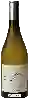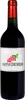
Domaine de la PerdrixRivesaltes Ambré
 Natural sweet wine


This wine generally goes well with poultry, rich fish (salmon, tuna etc) or shellfish.

Food and wine pairings with Rivesaltes Ambré
Pairings that work perfectly with Rivesaltes Ambré



Original food and wine pairings with Rivesaltes Ambré
The Rivesaltes Ambré of Domaine de la Perdrix matches generally quite well with dishes of mature and hard cheese, blue cheese or aperitif such as recipes of gratin of ratatouille with comté cheese, oysters au gratin with roquefort sauce or bread with cheese and bacon.
Details and technical informations about Domaine de la Perdrix's Rivesaltes Ambré.
Discover the grape variety: Aurore
Light, fruity whites with a pale colour, supple palate and medium acidity, showing simple aromas of white fruits (apple, pear), white flowers, citrus and discreet muscat notes. A thirst-quenching style, also made sparkling. Grown in the north-eastern United States (New York, Pennsylvania) and Canada (Ontario), well-adapted to cold continental viticultural climates. American white hybrid created in 1860 by Albert Seibel (Seibel 788 × Seibel 29).
Last vintages of this wine
The best vintages of Rivesaltes Ambré from Domaine de la Perdrix are 0
Informations about the Domaine de la Perdrix
The Domaine de la Perdrix is one of of the world's greatest estates. It offers 38 wines for sale in the of Rivesaltes to come and discover on site or to buy online.

The wine region of Rivesaltes
Great Roussillon appellation for Vins Doux Naturels, ~5,200 ha across Pyrénées-Orientales and Aude. Mutage with neutral spirit halts fermentation. 4 signature styles: Grenat on black Grenache with intense notes of candied cherry, kirsch and cocoa; oxidative Tuilé with prune, coffee, walnut and caramel; Ambré (white Grenache) with honey, candied orange, dried fruits; fruity Rosé strawberry. Exceptional ageing (10-50 years).
The wine region of Languedoc-Roussillon
Largest single French vineyard, dominated by sunny, generous reds. Spicy Syrah, candied Grenache (ripe fruit, garrigue), structured Carignan, deep Mourvèdre, supple Cinsault. Stars: structured Corbières, Minervois, Faugères, Saint-Chinian; round Côtes-du-Roussillon. Legendary vins doux naturels: Banyuls and Maury (fortified Grenache) with notes of cocoa, fig, prune.
The word of the wine: Baco 22A
A white grape variety resulting from the hybridization of the folle blanche and the noah. It is the only hybrid to remain authorized in a French appellation vineyard, that of Armagnac, where it thrives in particular on the tawny sands of Bas-Armagnac. When distilled, its wine produces round, smooth and aromatic eaux-de-vie with hints of ripe fruit.