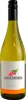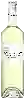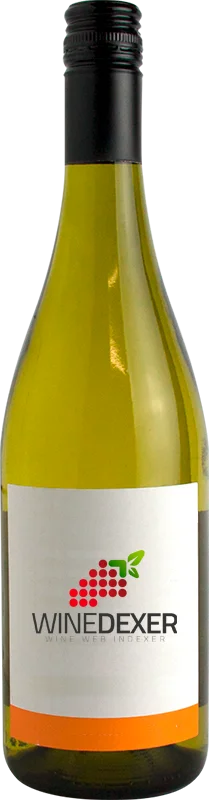
Domaine de la GiscleExcellence de La Giscle Blanc
 White wine



This wine is a blend of 2 varietals which are the Chardonnay and the Viognier.
This wine generally goes well with pork, vegetarian or poultry.

Food and wine pairings with Excellence de La Giscle Blanc
Pairings that work perfectly with Excellence de La Giscle Blanc



Original food and wine pairings with Excellence de La Giscle Blanc



The Excellence de La Giscle Blanc of Domaine de la Giscle matches generally quite well with dishes of pork, game (deer, venison) or rich fish (salmon, tuna etc) such as recipes of blue cord, rabbit with mustard in a casserole or whole salmon in aromatic broth.
Details and technical informations about Domaine de la Giscle's Excellence de La Giscle Blanc.
Discover the grape variety: Chardonnay
Whites with many faces: mineral and taut at Chablis (lemon, green apple, flint), opulent and buttery at Meursault and Puligny-Montrachet (hazelnut, brioche, yellow fruits), tense and chalky in Champagne (Blanc de Blancs). Also vinified sparkling and widely exported (Sonoma, Margaret River, Casablanca). A Burgundian variety, a cross of Pinot Noir × Gouais Blanc, half-sibling of Aligoté.
Last vintages of this wine
The best vintages of Excellence de La Giscle Blanc from Domaine de la Giscle are 2015, 2018
Informations about the Domaine de la Giscle
The Domaine de la Giscle is one of of the world's greatest estates. It offers 13 wines for sale in the of Provence to come and discover on site or to buy online.

The wine region of Provence
World capital of dry, refined rosé (~90% of production). Pale rose-petal colour, delicate nose of fresh red fruits (strawberry, raspberry, redcurrant), citrus (pink grapefruit), white flowers and a mineral touch, taut and thirst-quenching palate — the Mediterranean aperitif par excellence. Blends of Grenache, Cinsault, Syrah, Tibouren and Mourvèdre. Fleshy Bandol reds from Mourvèdre (leather, garrigue, age-worthy), straight Cassis whites.
The word of the wine: Nose
In tasting, this is the second phase, which consists of identifying the wine's aromas and possibly its defects.