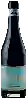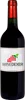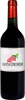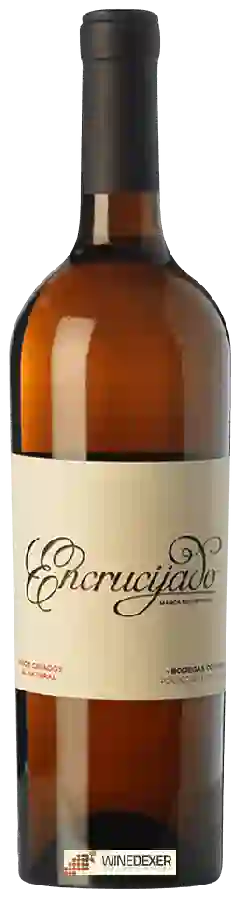
Winery Cota 45Encrucijado
 Natural sweet wine


This wine generally goes well with
The Encrucijado of the Winery Cota 45 is in the top 30 of wines of Cádiz.
Wine flavors and olphactive analysis

Details and technical informations about Winery Cota 45's Encrucijado.
Discover the grape variety: Cabernet-Carbon
An interspecific cross between Cabernet Sauvignon and Bronner made in 1983 by Norbert Becker of the Freiburg Research Institute in Germany. It can be found in Germany, the Netherlands, Belgium, Switzerland, Italy, Romania, ... little known in France.
Last vintages of this wine
The best vintages of Encrucijado from Winery Cota 45 are 2014, 2015, 0
Informations about the Winery Cota 45
The Winery Cota 45 is one of of the world's greatest estates. It offers 12 wines for sale in the of Cádiz to come and discover on site or to buy online.

The wine region of Cádiz
The wine region of Cádiz is located in the region of Andalousie of Spain. Wineries and vineyards like the Domaine Finca Moncloa or the Domaine Huerta de Albala produce mainly wines red, white and natural sweet. The most planted grape varieties in the region of Cádiz are Cabernet-Sauvignon, Merlot and Tempranillo, they are then used in wines in blends or as a single variety. On the nose of Cádiz often reveals types of flavors of pineapple, cassis or cinnamon and sometimes also flavors of prune, mint or toasty.
The wine region of Andalousie
Andalusia, located in the southwest of Spain, is the southernmost administrative region of the Spanish mainland. It is home to the world-famous fortified wine, sherry. This dynamic region is the most populous in Spain and has a colourful history. Its strategic position at the gateway to the Mediterranean and its proximity to Africa have made it the target of many settlements and invasions throughout history.
The word of the wine: Removal of shoes
In the spring, this operation consists of removing the mound of earth formed at the foot of the vines by ploughing between the rows in the autumn.