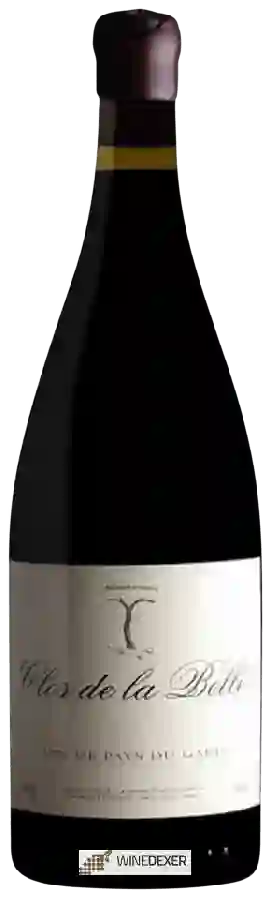
Clos de la BelleVin de Pays du Gard
 Red wine
In the mouth this red wine is a powerful with a nice balance between acidity and tannins.
This wine generally goes well with beef, veal or pasta.
The Vin de Pays du Gard of the Clos de la Belle is in the top 80 of wines of Languedoc-Roussillon.

Taste structure of the Vin de Pays du Gard from the Clos de la Belle
Light | Bold | |
Smooth | Tannic | |
Dry | Sweet | |
Soft | Acidic |
In the mouth the Vin de Pays du Gard of Clos de la Belle in the region of Languedoc-Roussillon is a powerful with a nice balance between acidity and tannins.
Food and wine pairings with Vin de Pays du Gard
Pairings that work perfectly with Vin de Pays du Gard



Original food and wine pairings with Vin de Pays du Gard
The Vin de Pays du Gard of Clos de la Belle matches generally quite well with dishes of beef, pasta or veal such as recipes of marinated shrimp skewers with garlic, spaghetti carbonara or shoulder of lamb stuffed with cognac.
Details and technical informations about Clos de la Belle's Vin de Pays du Gard.
Discover the grape variety: Muscat à petits grains
Intensely aromatic whites, dry to sweet, with a luminous golden robe and an enveloping palate, with explosive muscat aromas (rose, fresh grape), white flowers, exotic fruits and honey on VDN. Also as sweet sparkling (Asti Spumante DOCG). Star of Muscat VDN from Roussillon, Beaumes-de-Venise and Frontignan. Historic white variety, one of the oldest in the world, from the eastern Mediterranean.
Informations about the Clos de la Belle
The Clos de la Belle is one of of the world's greatest estates. It offers 2 wines for sale in the of Languedoc-Roussillon to come and discover on site or to buy online.

The wine region of Languedoc-Roussillon
Largest single French vineyard, dominated by sunny, generous reds. Spicy Syrah, candied Grenache (ripe fruit, garrigue), structured Carignan, deep Mourvèdre, supple Cinsault. Stars: structured Corbières, Minervois, Faugères, Saint-Chinian; round Côtes-du-Roussillon. Legendary vins doux naturels: Banyuls and Maury (fortified Grenache) with notes of cocoa, fig, prune.
The word of the wine: Nervous
Said of a wine that leaves its mark on the palate with its strong characters and a hint of acidity, but without excess.